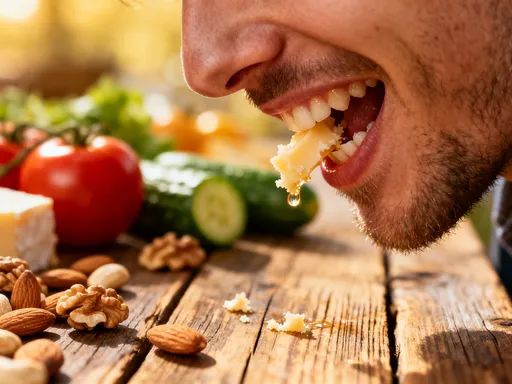
How I Made the Mediterranean Diet Stick — For Good
Ever tried eating healthy but gave up after a week? I’ve been there. What changed for me wasn’t a drastic overhaul — it was building a sustainable rhythm with the Mediterranean diet. Over time, small, consistent choices transformed my energy, mood, and overall well-being. This isn’t about perfection; it’s about progress. In this article, I’ll walk you through how routine regularity turned a short-term experiment into a lifelong habit — and how you can do the same, one realistic step at a time.
The Burnout Problem: Why Most Diets Fail
So many people begin the journey toward healthier eating with real enthusiasm—buying new cookware, downloading meal-planning apps, or clearing out the pantry of processed snacks. Yet, within weeks, motivation fades. The initial excitement gives way to frustration, and the old habits creep back in. This cycle isn’t a personal failure—it’s a predictable outcome of an unsustainable approach. Most diets are built on restriction: cut out carbs, eliminate sugar, reduce calories to a bare minimum. While these strategies may yield short-term results, they often lead to mental fatigue, social isolation, and physical cravings that are hard to ignore.
The problem lies in treating healthy eating like a sprint rather than a marathon. When we rely solely on willpower, we’re setting ourselves up for burnout. Willpower is a limited resource, and every decision to resist temptation drains it a little more. Over time, this constant internal battle becomes exhausting. Research in behavioral psychology shows that people who maintain long-term lifestyle changes don’t do so because they have more discipline—they do so because they’ve designed their environment and routines to make healthy choices the default, not the exception. This subtle shift—from effort to ease—is what separates lasting change from temporary fixes.
Another common pitfall is the expectation of perfection. Many assume that one missed meal or an occasional indulgence means the entire effort has failed. This all-or-nothing mindset leads to discouragement and often results in complete abandonment of the plan. In contrast, sustainable approaches allow for flexibility, occasional deviations, and self-compassion. They focus not on eliminating every “bad” food but on gradually increasing the proportion of nourishing, whole foods in the diet. The goal isn’t flawlessness; it’s consistency over time. And this is where the Mediterranean diet begins to shine—not as another restrictive regimen, but as a flexible, enjoyable, and realistic way of eating.
Discovering the Mediterranean Diet — My "Aha" Moment
My own turning point came during a family trip to southern Italy. I wasn’t on a diet or trying to lose weight—I was simply immersed in a different way of living. Meals were leisurely, shared with loved ones, and centered around fresh vegetables, olive oil, legumes, and seafood. Bread was present at every meal, yet no one seemed concerned about carbs. Dessert was often fruit, and wine was enjoyed in moderation with dinner. I noticed that I felt energized throughout the day, my digestion improved, and I slept more deeply than I had in years. When I returned home, I found myself missing those meals—not just the flavors, but the rhythm and joy they brought.
Curious, I began researching the eating patterns of the region. What I discovered was the well-documented Mediterranean diet, a way of eating that had been linked to lower rates of heart disease, longer life expectancy, and better overall health in multiple studies. Unlike the rigid diet plans I’d tried before, this approach didn’t require counting points or eliminating entire food groups. Instead, it emphasized abundance—more vegetables, more healthy fats, more fiber-rich grains. I started experimenting: swapping butter for olive oil, adding a salad to lunch, choosing fish two or three times a week. These weren’t drastic changes, but they felt meaningful.
Within a few weeks, I began to notice subtle shifts. My afternoon energy slumps became less frequent. I wasn’t constantly reaching for snacks. My skin looked clearer, and I felt more mentally alert. Most importantly, I didn’t feel deprived. There was no sense of punishment or sacrifice. For the first time, eating well didn’t feel like a chore—it felt like a gift. That realization was my “aha” moment: healthy eating doesn’t have to be difficult or joyless. It can be simple, satisfying, and deeply nourishing, both physically and emotionally. This wasn’t a short-term fix; it was a lifestyle I could imagine sustaining for the rest of my life.
What the Mediterranean Diet Actually Is (And What It Isn’t)
The Mediterranean diet is often misunderstood. Some think it’s just about eating hummus and feta cheese, while others assume it’s a low-carb or calorie-controlled plan. In reality, it’s neither. At its core, the Mediterranean diet is a pattern of eating inspired by the traditional cuisines of countries bordering the Mediterranean Sea—such as Greece, southern Italy, and parts of Spain. It’s not a set of strict rules but a flexible framework centered on whole, minimally processed foods. The foundation of the diet is plant-based: vegetables, fruits, whole grains, legumes, nuts, and seeds make up the majority of daily intake. Healthy fats, especially extra virgin olive oil, are used generously as the primary source of fat.
Fish and seafood are consumed regularly—typically at least twice a week—providing high-quality protein and heart-healthy omega-3 fatty acids. Poultry, eggs, and dairy (like yogurt and cheese) are included in moderate amounts. Red meat is limited, usually reserved for special occasions or small portions a few times a month. Herbs and spices replace excess salt for flavor, and water is the main beverage, with wine occasionally enjoyed in moderation with meals. What’s notably absent are highly processed foods, refined sugars, and industrial trans fats—all of which are linked to chronic health issues.
One of the most liberating aspects of the Mediterranean diet is that it doesn’t require precise measurement or tracking. There’s no need to count calories, weigh portions, or eliminate entire food groups. Instead, it encourages mindful eating, enjoyment of meals, and attention to quality over quantity. A typical day might start with oatmeal topped with nuts and fruit, include a large salad with chickpeas and olive oil for lunch, and end with grilled fish, roasted vegetables, and a slice of whole-grain bread for dinner. The focus is on consistency, variety, and pleasure—not perfection. This balanced, realistic approach is what makes it so sustainable for so many people.
The Power of Routine Regularity — Building Habits That Last
What transformed the Mediterranean diet from a short-term experiment into a lifelong habit for me wasn’t willpower—it was routine. The concept of “routine regularity” might sound clinical, but it’s actually quite simple: doing the same healthy behaviors consistently until they become automatic. When we repeat actions regularly—like preparing meals with olive oil, eating a piece of fruit with breakfast, or taking a walk after dinner—our brains begin to recognize them as normal, expected parts of the day. Over time, these behaviors require less mental effort and decision-making, which reduces what psychologists call “decision fatigue.”
Consider the morning coffee ritual. For many, brewing and drinking coffee isn’t a decision—it’s a habit. You don’t debate whether to do it each day; it just happens. The same can be true for healthy eating. By anchoring nutritious choices to existing routines, we make them more likely to stick. For example, if you always chop vegetables while waiting for the kettle to boil, or set out a bowl of fruit on the counter every morning, these small acts become seamless parts of your day. They don’t feel like sacrifices because they’re not framed as such—they’re simply part of how you live.
Behavioral science supports this approach. Studies show that habits are formed through repetition in stable contexts. The more consistently a behavior is performed in the same setting or at the same time, the stronger the habit becomes. This is why meal planning, regular grocery shopping, and consistent cooking times can be so powerful. When you prepare grains in bulk on Sundays, for instance, you remove the daily barrier of having to decide what to cook. When you keep a jar of nuts on the kitchen table, you make a healthy snack the easiest choice. These small, repeated actions build a structure that supports long-term success far more effectively than willpower ever could.
Practical Steps to Weave the Diet Into Daily Life
Transitioning to the Mediterranean way of eating doesn’t require a complete kitchen overhaul or hours of daily cooking. The key is practicality—making small, manageable changes that fit into real life. One of the most effective strategies I’ve used is batch-cooking staple ingredients. Every Sunday, I cook a large pot of quinoa or farro, roast a tray of mixed vegetables, and prepare a batch of lentils or chickpeas. These become the building blocks for quick, nutritious meals throughout the week. A grain bowl with roasted veggies, a drizzle of olive oil, and a sprinkle of feta takes less than ten minutes to assemble—and it’s packed with fiber, protein, and healthy fats.
Another essential step is stocking the pantry with Mediterranean-friendly staples. Canned tomatoes, dried beans, whole-grain pasta, nuts, seeds, and high-quality olive oil are always on hand. This ensures that even on busy evenings, I can throw together a simple meal—like pasta with tomato sauce, white beans, and spinach—without resorting to processed convenience foods. I also keep frozen vegetables and fish fillets in the freezer for days when I don’t have time to shop. These backups help maintain continuity, preventing the “all-or-nothing” trap that often derails progress.
Meal planning doesn’t have to be rigid. Instead of writing out every meal for the week, I use a flexible template: two fish dinners, one vegetarian grain bowl, one legume-based meal (like lentil soup), and the rest filled in based on what’s fresh or what the family is craving. This approach provides structure without rigidity. I also involve my family in the process—asking for input on meals, letting them help with cooking, and making sure there’s something everyone enjoys. When healthy eating becomes a shared, positive experience, it’s much more likely to last. And when I travel or eat out, I focus on making Mediterranean-style choices: grilled over fried, vegetables as a side, olive oil on the salad, and water or a small glass of wine instead of sugary drinks.
Long-Term Benefits: What Science Says (And What I’ve Felt)
The long-term benefits of the Mediterranean diet are well-supported by scientific research. Numerous studies, including large-scale observational trials like the PREDIMED study, have found that people who follow this eating pattern have a significantly lower risk of heart disease, stroke, and type 2 diabetes. Research also links it to better cognitive function and a reduced risk of neurodegenerative conditions like Alzheimer’s disease. Some studies even suggest it may contribute to longer telomeres—the protective caps on chromosomes associated with cellular aging—hinting at a potential role in longevity.
While the science is compelling, my own experience has been equally powerful. Over the past several years, I’ve noticed a steady improvement in my overall well-being. My energy levels are more consistent—I no longer crash in the mid-afternoon. My mood feels more stable, and I’ve found it easier to manage stress. I’ve maintained a healthy weight without ever being on a formal “diet.” My blood work, which I review annually with my doctor, shows favorable cholesterol levels and stable blood sugar. These changes didn’t happen overnight; they accumulated gradually, like interest on a long-term investment.
What’s most striking is how natural this way of eating has become. I no longer think of it as a “diet” but as simply how I eat. I don’t crave processed foods the way I once did. When I do indulge, it’s out of genuine enjoyment, not emotional need. The Mediterranean diet hasn’t taken anything away from me—it’s given me more: more energy, more clarity, more joy at the table. And because it’s sustainable, I know these benefits will continue to grow over time. It’s not about dramatic transformation; it’s about quiet, consistent progress that compounds into lasting health.
Making It Your Own — Flexibility Within the Framework
One of the greatest strengths of the Mediterranean diet is its adaptability. It’s not a one-size-fits-all prescription but a flexible framework that can be tailored to individual preferences, cultural backgrounds, and lifestyles. For example, if you grew up eating Asian cuisine, you can incorporate soy sauce, tofu, and bok choy into your meals while still following the core principles of plant-based eating and healthy fats. If you love spicy food, add chili flakes or fresh peppers to your dishes. The goal isn’t to replicate Greek or Italian cooking exactly—it’s to embrace the spirit of the diet: whole foods, balanced meals, and mindful enjoyment.
Seasonality also plays a key role. Instead of sticking to the same meals year-round, I let the seasons guide my choices. In the summer, my plate is full of tomatoes, zucchini, and fresh herbs. In the winter, I turn to hearty soups, roasted root vegetables, and warm grain bowls. This not only keeps meals interesting but also ensures I’m eating foods at their peak nutritional value. Portion sizes can also be adjusted based on activity level, age, and personal needs. The Mediterranean diet isn’t about strict rules—it’s about listening to your body and responding with nourishment.
Ultimately, long-term success comes from ownership. When you adapt the diet to fit your life, you’re more likely to stick with it. It stops being something you “follow” and becomes simply how you live. That sense of personal connection is what makes the difference between a short-lived experiment and a lifelong practice. The Mediterranean diet works not because it’s perfect, but because it’s personal, flexible, and deeply human.
Conclusion: A Lifestyle, Not a Countdown
Lasting change isn’t measured in days or weeks—it’s measured in years. The Mediterranean diet isn’t a countdown to a goal weight or a short-term cleanse. It’s a way of living that supports health, vitality, and enjoyment over the long haul. What makes it different from so many other approaches is its emphasis on sustainability, pleasure, and balance. It doesn’t ask you to give up everything you love; it invites you to add more of what’s good—more vegetables, more healthy fats, more moments of connection around the table.
By focusing on routine regularity, small consistent choices, and personalization, the Mediterranean diet becomes less of a challenge and more of a quiet, powerful upgrade to your daily life. It’s not about perfection, but about showing up day after day with kindness and commitment. Over time, these small actions build into something profound: a healthier body, a clearer mind, and a deeper appreciation for the simple joy of good food. This isn’t just a diet—it’s a life well lived, one meal at a time.