What I Learned About Eating for Stronger Teeth – A Dentist’s Real Talk
You brush twice a day, floss when you remember, and still get cavities? I’ve been there. After years of battling tooth sensitivity and plaque buildup, I started digging deeper—beyond just hygiene. Turns out, what you eat plays a massive role in oral health. Not just sugar, but nutrients like calcium, phosphorus, and vitamin D are silent game-changers. This isn’t about quick fixes—it’s science-backed dietary guidance that actually supports your smile from the inside out. While brushing removes surface debris, the strength of your enamel and the resilience of your gums depend on the raw materials your body receives from food. What you consume daily shapes the biological environment in your mouth, influencing everything from pH balance to bacterial balance. The truth is, no amount of plaque removal can compensate for a diet that constantly undermines tooth integrity.
The Hidden Link Between Diet and Oral Health
For decades, public health messaging has emphasized brushing, flossing, and regular dental visits as the holy trinity of oral care. While these practices are undeniably important, they represent only one side of the equation. The other, often overlooked side, is nutrition. The mouth is not an isolated system—it is deeply connected to the rest of the body, and its tissues respond directly to the nutrients—or lack thereof—in your diet. Enamel, the hardest substance in the human body, does not regenerate once lost, but it can undergo a process called remineralization, where minerals are redeposited into weakened areas. This process is heavily influenced by the availability of key nutrients and the pH level in the mouth.
Saliva plays a crucial role in this balance. It acts as a natural buffer, helping to neutralize acids produced by oral bacteria when they feed on carbohydrates. However, saliva’s ability to do this effectively depends on adequate levels of calcium, phosphate, and other minerals. When your diet lacks these nutrients, saliva becomes less capable of protecting your teeth, leaving enamel vulnerable to erosion and decay. Additionally, chronic nutrient deficiencies can weaken the immune response in gum tissue, increasing susceptibility to inflammation and periodontal disease. In essence, your daily meals either support or sabotage your mouth’s natural defenses.
The common refrain that “sugar causes cavities” is accurate but incomplete. While sugar is a primary fuel source for harmful oral bacteria like Streptococcus mutans, the broader issue lies in the overall quality of the diet. Refined carbohydrates, even those not traditionally labeled as “sugary,” such as white bread and crackers, break down into simple sugars in the mouth and contribute to acid production. Moreover, a diet low in fat-soluble vitamins and essential minerals fails to provide the building blocks needed for strong teeth and healthy gums. Thus, focusing solely on hygiene without addressing nutrition is like trying to maintain a car with frequent washes but never changing the oil.
Why Modern Diets Are Weakening Our Teeth
The rise of processed and convenience foods over the past century has coincided with a steady increase in dental problems, despite significant advancements in oral hygiene technology. Electric toothbrushes, antibacterial mouthwashes, and fluoride treatments are now widely available, yet cavities and gum disease remain prevalent, even among children and young adults. This paradox suggests that something fundamental has changed in how we eat. The modern Western diet is typically high in refined grains, added sugars, and industrial seed oils, while being low in essential vitamins and minerals. This combination creates a perfect storm for oral health deterioration.
Processed foods are often stripped of their natural nutrients during manufacturing. For example, when whole grains are refined into white flour, they lose most of their magnesium, B vitamins, and fiber. These nutrients are not only important for overall health but also play direct roles in maintaining dental integrity. Magnesium, for instance, helps regulate calcium metabolism and supports proper enamel formation. Without it, even high calcium intake may not translate into stronger teeth. Furthermore, the high glycemic load of processed foods leads to frequent blood sugar spikes, which in turn promote systemic inflammation—a known risk factor for gum disease.
Another critical issue is the constant snacking culture. Unlike our ancestors, who ate meals at defined times, many people now graze throughout the day, keeping their mouths in a near-constant acidic state. Every time you eat fermentable carbohydrates—whether it’s a granola bar, a slice of bread, or a piece of fruit—oral bacteria produce acid, lowering the pH in your mouth. It takes about 20 to 30 minutes for saliva to restore a neutral pH, but if you snack every few hours, your enamel never gets a chance to recover. This repeated acid attack leads to demineralization and, over time, cavities. The convenience of packaged snacks has inadvertently turned our mouths into hostile environments for tooth preservation.
Public health data reflects this trend. According to the Centers for Disease Control and Prevention, more than 90% of adults aged 20 to 64 have had cavities in their permanent teeth, and about 26% have untreated dental caries. These statistics persist despite widespread access to fluoridated water and dental care, pointing to diet as a major contributing factor. The solution is not merely to brush harder, but to rethink what we’re eating and when. By shifting focus from oral hygiene alone to include dietary quality, we can address the root causes of dental decay rather than just managing symptoms.
Key Nutrients That Actually Build Stronger Enamel
To build and maintain strong teeth, the body requires specific nutrients that work synergistically. Among the most important are calcium and phosphorus, which together form hydroxyapatite—the crystalline structure that gives enamel its hardness. These minerals are not only found in teeth but are also constantly exchanged with saliva in a dynamic process known as demineralization and remineralization. When dietary intake is sufficient, the balance tips toward repair; when intake is inadequate, decay progresses.
Calcium is widely recognized for its role in bone and tooth health, but its effectiveness depends on other cofactors. Vitamin D is essential because it enhances calcium absorption in the intestines. Without adequate vitamin D, the body may only absorb 10–15% of dietary calcium, regardless of how much is consumed. This is particularly relevant for women over 30, whose calcium needs increase with age due to hormonal changes. Sunlight exposure is a natural source of vitamin D, but many people, especially those living in northern latitudes or with limited sun exposure, may require dietary or supplemental sources. Fatty fish like salmon, egg yolks, and fortified dairy products are among the best food-based options.
Vitamin K2 is another critical but often underappreciated nutrient. It directs calcium to the right places—bones and teeth—while preventing it from being deposited in soft tissues like arteries. Without K2, calcium may not be utilized efficiently, increasing the risk of both dental issues and cardiovascular problems. This vitamin is primarily found in fermented foods such as natto, certain cheeses, and grass-fed animal products. Unfortunately, modern diets contain far less K2 than traditional diets did, contributing to what some researchers call a “K2 deficiency epidemic.”
Magnesium also plays a supportive role by activating enzymes involved in tooth formation and helping to stabilize the calcium-phosphorus ratio. A deficiency in magnesium can lead to weaker enamel and increased tooth sensitivity. Good dietary sources include leafy greens, nuts, seeds, and whole grains. The key takeaway is that no single nutrient works in isolation. A diet rich in whole, unprocessed foods naturally provides these nutrients in balanced proportions, making supplementation less necessary for most people. The emphasis should be on food quality, not isolated nutrients.
Foods That Fight Cavities (Yes, Really)
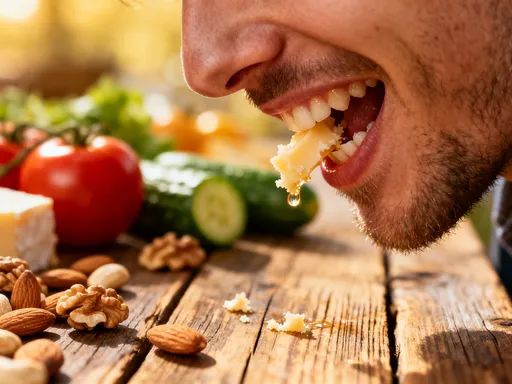
Contrary to popular belief, some foods actively protect your teeth rather than harm them. One of the most well-researched examples is cheese. Multiple studies have shown that eating cheese can raise the pH in the mouth, reducing acidity and creating a less favorable environment for cavity-causing bacteria. Cheese is also rich in calcium and phosphorus, which are directly available for remineralization. Unlike sugary snacks that feed harmful microbes, cheese appears to have a protective effect, making it an ideal choice for a post-meal treat or afternoon snack.
Fermented dairy products like plain yogurt and kefir offer similar benefits. They contain probiotics—beneficial bacteria that can help crowd out harmful species in the oral microbiome. Some strains, such as Lactobacillus and Bifidobacterium, have been shown to reduce levels of Streptococcus mutans in the mouth. However, it’s important to choose unsweetened varieties, as added sugars can negate these benefits. Plain Greek yogurt, topped with a handful of berries or a sprinkle of cinnamon, makes a nutritious and tooth-friendly option.
Crunchy vegetables like carrots, celery, and bell peppers serve a dual purpose. Their fibrous texture stimulates the gums, promoting circulation and helping to remove food particles through mechanical action. Chewing these foods also increases saliva production, which naturally helps cleanse the mouth and neutralize acids. Think of them as nature’s toothbrushes—gentle yet effective. Including a serving of raw vegetables with meals can significantly improve oral health over time.
Nuts and seeds, particularly almonds, walnuts, and sesame seeds, are excellent sources of healthy fats, protein, and essential minerals. Almonds are high in calcium and low in carbohydrates, making them a smart alternative to starchy snacks. Sesame seeds are rich in calcium and have been shown to help remove plaque when chewed thoroughly. Additionally, the act of chewing nuts stimulates saliva flow, further enhancing their protective effect. Green tea is another powerful ally. Its polyphenols, particularly epigallocatechin gallate (EGCG), have antimicrobial properties that inhibit the growth of harmful oral bacteria and reduce inflammation in gum tissue. Drinking unsweetened green tea regularly may contribute to fresher breath and healthier gums.
The Acid Attack: How Timing and Combining Foods Matters
Even healthy foods can become problematic if consumed at the wrong time or in the wrong combination. The mouth experiences natural pH fluctuations throughout the day, and each eating event triggers a drop in pH as bacteria metabolize carbohydrates. This “acid attack” typically lasts 20 to 30 minutes, after which saliva gradually restores balance. However, frequent eating or sipping on acidic beverages extends this acidic window, increasing the risk of enamel erosion.
Snacking between meals is one of the most damaging habits for oral health. Each snack, even if it’s a piece of fruit or a handful of crackers, initiates a new acid attack. When snacks are consumed every few hours, the mouth never returns to a neutral pH, leading to chronic demineralization. The solution is not to eliminate snacks entirely but to limit them and choose wisely. If you do snack, pair it with a protective food—such as eating an apple with a slice of cheese or having nuts alongside dried fruit. The cheese or nuts help buffer the acid and provide minerals for repair.
Food combining is another strategy worth considering. Eating acidic foods like tomatoes, citrus, or vinegar-based dressings alongside alkaline or mineral-rich foods can help neutralize their impact. For example, adding cheese to a salad with lemon vinaigrette or drinking milk with a meal containing whole grains can reduce the overall acidity in the mouth. It’s also advisable to avoid sipping on acidic drinks like soda, sports drinks, or citrus juices throughout the day. If consumed, they should be part of a meal rather than drunk slowly over time.
Many people assume that dried fruit and granola bars are healthy choices, but they can be surprisingly harmful to teeth. Dried fruits like raisins, apricots, and cranberries are high in concentrated sugars and tend to stick to the grooves of molars, providing a prolonged food source for bacteria. Granola bars often contain honey, syrups, and puffed grains that break down quickly into sugar. Even “natural” or “organic” labels don’t change their impact on oral health. These foods are best consumed during meals, when increased saliva flow can help wash them away, rather than as standalone snacks.
Building a Daily Eating Pattern for Optimal Oral Health
Creating a sustainable eating pattern that supports oral health doesn’t require drastic changes. It’s about making consistent, informed choices that prioritize nutrient density and minimize acid exposure. A balanced daily framework might include a breakfast of scrambled eggs with spinach and tomatoes, served with a slice of whole grain toast and a small piece of cheese. This meal provides protein, vitamins, and minerals while limiting refined carbohydrates. For lunch, a salad with leafy greens, grilled chicken, avocado, nuts, and a vinaigrette dressing offers a wide range of nutrients and promotes chewing, which stimulates saliva.
Dinner could feature fatty fish like salmon, roasted vegetables, and a side of quinoa or sweet potato. This combination delivers omega-3 fatty acids, antioxidants, and complex carbohydrates that are digested more slowly than refined grains. Between meals, hydration is key. Water is the best beverage for oral health—especially if it contains fluoride, which strengthens enamel. However, if using filtered water that removes fluoride, it’s important to ensure adequate intake through other sources, such as fluoridated toothpaste or professional treatments.
Chewing thoroughly is a simple yet often neglected habit that significantly impacts oral health. The act of chewing not only breaks down food but also signals the salivary glands to produce more saliva. This natural defense mechanism helps neutralize acids, wash away food particles, and initiate the remineralization process. Encouraging slower, more mindful eating can enhance digestion and oral health simultaneously. Practical swaps can also make a big difference—replacing soda with sparkling water (without added sugar), swapping chips for raw vegetables and hummus, and choosing plain yogurt over flavored varieties.
For those with busy schedules, meal prep and planning can support consistency. Pre-cutting vegetables, boiling eggs in advance, or preparing overnight oats with nuts and seeds can make healthy choices more accessible. The goal is not perfection but progress. Even small improvements in dietary quality can have a cumulative effect on oral health over time. By aligning food choices with biological needs, you create a foundation that supports both your smile and your overall well-being.
When to See a Professional—And Why Diet Isn’t a Cure-All
While nutrition plays a powerful role in preventing dental problems, it is not a substitute for professional care. Regular dental checkups and cleanings remain essential for detecting early signs of decay, gum disease, and other oral health issues. A balanced diet supports the body’s natural defenses, but it cannot reverse existing cavities or repair advanced gum damage. If you experience persistent tooth sensitivity, bleeding gums, or visible signs of decay, it’s important to consult a dentist promptly, even if your diet is otherwise healthy.
Dentists are increasingly recognizing the role of nutrition in oral health and may offer personalized dietary advice based on individual risk factors. For example, patients with a history of cavities might benefit from targeted recommendations to increase calcium and vitamin D intake, while those with gum inflammation may be advised to focus on anti-inflammatory foods rich in omega-3s. Some progressive dental practices now include dietary assessments as part of routine evaluations, reflecting a shift toward more integrative care.
It’s also important to understand that genetics, medical conditions, and medications can influence oral health independently of diet. For instance, dry mouth caused by certain medications reduces saliva flow, increasing the risk of decay regardless of what someone eats. Similarly, conditions like diabetes can impair the body’s ability to fight infection, making gum disease more likely. In these cases, a multidisciplinary approach involving both dental and medical professionals is often necessary.
The future of oral health lies in combining the best of preventive dentistry with evidence-based nutrition. Rather than viewing food as merely a source of pleasure or energy, we can begin to see it as a form of biological support for our teeth and gums. As research continues to uncover the intricate connections between diet and oral health, patients and practitioners alike are empowered to make more informed decisions. The ultimate goal is not just to avoid cavities, but to achieve lasting dental wellness that contributes to overall quality of life.
Oral health doesn’t start at the toothbrush—it starts on your plate. By understanding how food shapes the environment in your mouth, you gain a powerful tool to prevent decay and support long-term dental wellness. This isn’t about perfection, but consistent, informed choices. Combine smart eating with professional care, and you’re giving your teeth the real foundation they need to last a lifetime.