How I Rebuilt My Bones Over Years—And Why It Changed Everything
Bone health isn’t something most of us think about—until it starts to fail. For me, it took a minor fall with a surprising fracture to wake me up. That moment sparked a years-long journey focused on rehabilitation training and long-term strength. I learned that bones aren’t static; they respond to how we move, eat, and live. This is not about quick fixes, but real, lasting change. What began as a single misstep—literally—became a profound lesson in resilience, discipline, and the quiet power of consistency. Over time, I didn’t just heal; I rebuilt. And in doing so, I gained more than stronger bones—I gained a deeper understanding of what it means to care for my body with intention and respect.
The Wake-Up Call: When a Small Fall Revealed Big Problems
A simple misstep on a slightly uneven sidewalk changed everything. At first, it seemed harmless—a stumble, a quick recovery. But when sharp pain shot through my wrist and swelling followed within minutes, I knew something was wrong. The diagnosis came swiftly: a distal radius fracture, the kind often seen in older adults or those with compromised bone strength. At 48, I wasn’t expecting such news. More surprising was the follow-up test: a bone density scan revealing early-stage osteopenia, a precursor to osteoporosis. My doctor explained that my bones had been silently losing mass for years, likely due to a combination of low-impact lifestyle, poor nutrition, and hormonal shifts associated with perimenopause. The fracture wasn’t caused by a dramatic fall—it was the result of weakened structure beneath the surface.
This moment marked a turning point. I had always considered myself reasonably active and health-conscious, yet I’d overlooked one of the most fundamental aspects of physical well-being. Like many women in their late 40s and beyond, I assumed bone loss was an inevitable part of aging. But my doctor emphasized that while some decline is natural, significant weakening is not. Bones are dynamic tissues, constantly being broken down and rebuilt. When the balance tips toward breakdown, density drops—and the risk of fractures rises. The realization was sobering: I hadn’t been passive in this process. My daily choices, from skipping strength training to avoiding dairy, had contributed to this gradual erosion. The fracture wasn’t just an injury—it was a warning signal, one I could no longer ignore.
What followed was a shift in mindset. Instead of viewing the injury as bad luck, I began to see it as a necessary wake-up call. It prompted me to seek not only medical guidance but also a deeper understanding of how bones function and what they need to stay strong. I scheduled consultations with a physical therapist and a registered dietitian, both specializing in musculoskeletal health. I started reading peer-reviewed studies, attending community wellness workshops, and tracking my habits with renewed attention. Most importantly, I accepted that healing wouldn’t happen overnight. Rebuilding bone density requires time, patience, and sustained effort. But I also learned that the human body has an incredible capacity to adapt and recover—if given the right support.
Understanding Bone Remodeling: Why Long-Term Thinking Matters
To truly grasp the challenge—and the opportunity—I needed to understand how bones actually work. Unlike the rigid, lifeless structures we see in diagrams, real bones are living, breathing tissues that undergo constant renewal. This process, known as bone remodeling, involves two primary types of cells: osteoclasts, which break down old or damaged bone, and osteoblasts, which build new bone tissue. In healthy individuals, these processes are balanced, maintaining strength and integrity. But as we age, particularly after midlife, this balance can shift. Osteoclast activity may outpace osteoblast function, leading to net bone loss over time.
The implications of this biological reality are profound. Because bone turnover occurs slowly—typically over cycles of three to six months—any meaningful improvement in density takes months, even years, to manifest. This is why short-term fixes like crash diets, intense workout binges, or unregulated supplements fail. They don’t align with the body’s natural rhythms. True bone rebuilding isn’t about intensity; it’s about consistency. It requires daily habits that support both the mechanical and biochemical demands of bone formation. Just as a tree grows stronger with steady sunlight and water, bones respond best to regular, moderate stimulation and sustained nutritional support.
One of the most empowering insights I gained was that bone health is not fixed. While genetics play a role, lifestyle factors account for up to 40% of bone density outcomes, according to research from the National Institutes of Health. This means that even if you start with lower-than-ideal bone mass, you can still improve it. The key is long-term thinking. Rather than aiming for rapid results, the goal becomes creating an environment where bone formation can gradually outpace resorption. This includes weight-bearing exercise, adequate nutrient intake, hormonal balance, and minimizing factors that accelerate bone loss, such as chronic inflammation or excessive alcohol consumption. Over time, these elements work together to shift the balance in favor of stronger bones.
Another critical factor is timing. Bone mass peaks around age 30, after which gradual decline begins. For women, this decline accelerates during the menopausal transition due to falling estrogen levels, which normally help regulate osteoclast activity. However, studies show that interventions begun even after this stage can still produce measurable gains. A 2021 review published in the Journal of Bone and Mineral Research found that postmenopausal women who engaged in consistent resistance training and optimized nutrition saw improvements in hip and spine density over 18 to 24 months. These findings reinforced my belief that it’s never too late to start. The body remains responsive to positive input, provided the approach is grounded in science and sustained over time.
The Role of Rehabilitation Training: More Than Just Exercise
After my fracture healed, I began working with a physical therapist who specialized in musculoskeletal rehabilitation. What surprised me was how different this was from the gym routines I had tried before. This wasn’t about burning calories or building muscle for appearance—it was about retraining my body to move safely and efficiently. Rehabilitation training focuses on restoring function, improving stability, and building strength in a way that protects vulnerable areas. It starts with assessment: evaluating posture, gait, joint mobility, and muscle imbalances. From there, a personalized plan is developed, progressing gradually to avoid strain while maximizing benefit.
One of the first things I learned was the importance of posture and alignment. Poor posture—like slouching at a desk or walking with a forward lean—places uneven stress on the spine and hips, contributing to bone loss in key areas. My therapist taught me how to engage my core, align my pelvis, and distribute weight evenly through my feet. These adjustments may seem minor, but they have a cumulative effect on skeletal loading. When movement patterns are corrected, bones receive more balanced mechanical signals, encouraging uniform remodeling rather than localized weakening.
Another core component was neuromuscular re-education—essentially, reteaching my body how to coordinate muscles and joints during everyday movements. This included controlled squats, step-ups, and balance drills designed to enhance proprioception, the body’s awareness of its position in space. Improved balance reduces fall risk, a major concern for those with low bone density. But beyond safety, these exercises also stimulate bone adaptation. Each time muscles pull on bones during movement, they create micro-stresses that signal osteoblasts to strengthen the affected areas. This is the foundation of functional strength: not just lifting heavier weights, but moving with control, precision, and awareness.
Perhaps most importantly, rehabilitation training emphasized professional guidance. Unlike generic fitness programs, which can sometimes do more harm than good—especially for individuals with existing bone concerns—rehab is tailored to individual needs. My program began with low-impact movements and gradually introduced resistance as my strength and confidence improved. My therapist monitored my form, adjusted exercises as needed, and ensured I wasn’t compensating with other muscle groups. This level of oversight made all the difference. It allowed me to progress safely, build trust in my body, and avoid setbacks that could have derailed my recovery.
Key Movements That Make a Difference: From Walking to Weight-Bearing
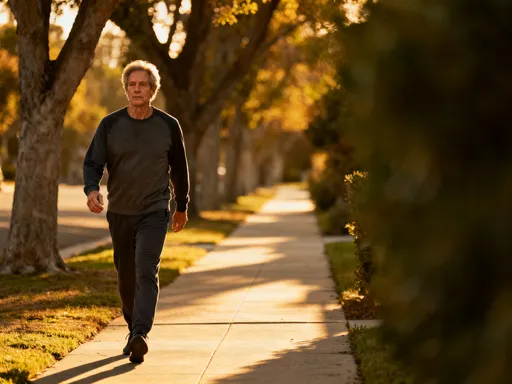
Not all physical activity benefits bones equally. The most effective types are weight-bearing and resistance exercises, which force bones to work against gravity or external load. These activities generate the mechanical stress needed to stimulate bone formation. Walking, for example, is a foundational weight-bearing exercise. When done regularly and with intention—maintaining upright posture, engaging core muscles, and increasing pace or terrain difficulty—it can significantly support bone health. I started with 20-minute walks three times a week and gradually increased to 45 minutes daily, incorporating hills and uneven surfaces to enhance stimulation.
Resistance training took this further. Using body weight, resistance bands, or light dumbbells, I performed exercises like wall push-ups, seated rows, and modified squats. These movements targeted major bone sites—spine, hips, wrists—where fractures are most common. The key was progressive overload: gradually increasing resistance or repetitions over time to continue challenging the bones. My therapist emphasized proper form over intensity, ensuring each movement was controlled and safe. For instance, instead of deep lunges that could strain the knees, I used shallow, supported versions with a chair for balance. This allowed me to build strength without compromising joint integrity.
Another valuable addition was impact training—low-impact activities like stomping in place, jumping jacks, or step taps. While high-impact exercises like running may not be suitable for everyone, especially those with advanced bone loss, gentle impact signals bones to adapt and strengthen. Research from the University of Missouri has shown that even brief bouts of impact loading—such as 10 minutes of jumping jacks five days a week—can improve bone density in the hip and spine. I incorporated these into my routine carefully, starting with just a few minutes and monitoring for discomfort. Over time, I noticed improved endurance and stability, confirming that my bones were responding positively.
Consistency was essential. I scheduled workouts at the same time each day, treating them as non-negotiable appointments. I tracked my progress with a journal, noting how many repetitions I completed, how I felt during and after sessions, and any changes in posture or balance. This helped me stay accountable and recognize subtle improvements that might otherwise go unnoticed. Over the course of two years, my ability to perform these exercises improved dramatically—what once felt challenging became routine. And when I had a follow-up DEXA scan, the results confirmed it: my bone density had increased by 5.2% in the lumbar spine and 3.8% in the hip. These gains may seem modest, but in clinical terms, they represent a meaningful reduction in fracture risk.
Nutrition as Foundation: Fueling Bone Regeneration
Exercise alone cannot rebuild bone. It must be supported by proper nutrition—the raw materials needed for new bone formation. Calcium is the most well-known nutrient for bone health, making up about 99% of the body’s total supply. But calcium doesn’t work in isolation. It requires vitamin D to be absorbed efficiently, magnesium to regulate its transport, and protein to build the collagen matrix that gives bones flexibility and strength. I worked with a dietitian to assess my intake and identify gaps. I discovered I was consuming far less calcium than recommended—only about 600 mg per day, compared to the 1,200 mg advised for women over 50.
To address this, I focused on food-based sources first. Dairy products like yogurt, kefir, and cheese became staples. For days when I avoided dairy, I turned to fortified plant milks, canned sardines with bones, and leafy greens like kale and bok choy. I learned that absorption matters as much as intake. Vitamin D, primarily obtained through sunlight and certain foods like fatty fish and egg yolks, enhances calcium absorption in the gut. Since I live in a northern climate with limited sun exposure during winter, my doctor recommended a daily supplement of 800 IU, which brought my blood levels into the optimal range. I also paid attention to inhibitors of absorption—excessive caffeine, high sodium intake, and heavy alcohol use—all of which can interfere with calcium retention.
Protein was another area I had underestimated. Bones are about 50% protein by volume, and insufficient intake can impair healing and remodeling. I increased my consumption of lean meats, eggs, legumes, and Greek yogurt, aiming for 1.0 to 1.2 grams of protein per kilogram of body weight daily. Studies from the European Society for Clinical and Economic Aspects of Osteoporosis and Osteoarthritis confirm that adequate protein intake, combined with calcium and vitamin D, leads to better bone outcomes and reduced fracture risk. I also incorporated collagen peptides into my morning smoothies, as emerging research suggests they may support bone mineral density when paired with exercise.
Other micronutrients played supporting roles. Vitamin K2, found in fermented foods like natto and certain cheeses, helps direct calcium to bones rather than arteries. Magnesium, abundant in nuts, seeds, and whole grains, supports bone crystal formation. I didn’t rely on multivitamins alone; instead, I prioritized a diverse, whole-foods diet rich in fruits, vegetables, quality proteins, and healthy fats. Over time, this nutritional foundation became second nature—less about strict rules and more about sustainable habits that nourished my entire body, not just my bones.
Lifestyle Levers: Sleep, Stress, and Daily Habits That Affect Bones
Beyond diet and exercise, other lifestyle factors quietly influence bone health. One of the most significant is sleep. During deep sleep, the body releases growth hormone, which plays a role in tissue repair and bone remodeling. Chronic sleep deprivation disrupts this process, leading to elevated cortisol levels—a stress hormone that promotes bone resorption. I used to sacrifice sleep for work or household tasks, averaging only 5 to 6 hours per night. After learning about this connection, I prioritized rest, establishing a consistent bedtime routine and limiting screen time before bed. Within weeks, I noticed improved energy, mood, and even less joint stiffness in the mornings.
Stress management became equally important. Long-term emotional stress keeps cortisol circulating at high levels, which not only weakens bones but also reduces calcium absorption and increases urinary calcium excretion. I began incorporating mindfulness practices—daily meditation, gentle yoga, and nature walks—into my routine. These weren’t just relaxing; they helped regulate my nervous system and reduce inflammation, another factor linked to bone loss. I also set boundaries around work and caregiving responsibilities, recognizing that self-care isn’t selfish—it’s essential for long-term health.
Daily habits made a difference too. I stopped smoking years ago, but I hadn’t realized how much even moderate alcohol consumption—more than one drink per day—could interfere with bone formation. I reduced my intake to occasional social drinking and noticed a subtle improvement in recovery after workouts. I also paid attention to medication use. Certain drugs, like long-term corticosteroids or proton pump inhibitors, can negatively affect bone density. I reviewed my prescriptions with my doctor and discussed alternatives when possible, ensuring that my treatment plans supported, rather than undermined, my skeletal health.
Hydration, often overlooked, also matters. Water is essential for nutrient transport and cellular function, including osteoblast activity. I made it a habit to drink water throughout the day, starting with a glass upon waking. These changes didn’t happen all at once. They were layered in gradually, replacing old patterns with new ones. Over time, they became part of a holistic system—one where every choice, from bedtime to beverage selection, contributed to a stronger, more resilient body.
Staying Consistent: Tracking Progress Without Obsession
Sustaining this journey required more than knowledge—it demanded emotional resilience. There were days when motivation waned, when progress felt invisible, when old habits pulled me back. What kept me going wasn’t dramatic results, but small, steady signs of improvement: standing taller, walking without discomfort, lifting groceries with ease. I learned to celebrate these quiet victories. I used non-scale indicators—how my clothes fit, how I felt during daily tasks, how confident I was on stairs or uneven ground. These subtle shifts mattered more than numbers on a scan.
I scheduled regular check-ins with my healthcare team—bone density tests every 18 months, blood work to monitor vitamin levels, and ongoing sessions with my physical therapist. These appointments provided objective feedback and helped me adjust my plan as needed. But I avoided obsessing over data. I didn’t weigh myself daily or track every calorie. Instead, I focused on consistency, aiming for progress, not perfection. I allowed myself rest days, listened to my body, and adjusted my routine when life got busy. This flexibility prevented burnout and made the process sustainable.
I also found support in community. I joined a local wellness group for women focused on active aging, where we shared recipes, exercise tips, and encouragement. Knowing I wasn’t alone made a difference. We celebrated each other’s milestones and offered compassion during setbacks. This sense of connection reinforced my commitment and reminded me that health is not a solitary pursuit—it thrives in shared experience.
Looking back, the most valuable lesson wasn’t about bones—it was about patience. Real change doesn’t come from drastic measures, but from showing up every day, making mindful choices, and trusting the process. I didn’t rebuild my bones in a month or even a year. It took deliberate, consistent action over several years. But the transformation was real—not just in my DEXA results, but in how I move through the world. I stand taller. I walk with confidence. I carry life’s loads—literal and emotional—with greater ease. And I know now that strength isn’t just physical. It’s the quiet determination to care for yourself, one choice at a time.
Rebuilding bone strength is a quiet, gradual process—one that demands patience and persistence. But the payoff isn’t just stronger bones; it’s greater resilience, confidence in movement, and long-term independence. This journey taught me that small, consistent actions, grounded in science and guided by professionals, truly add up. Bone health isn’t about age—it’s about choices.