You Won’t Believe What I Found in Debrecen
Tucked away in eastern Hungary, Debrecen isn’t just another stop on the map—it’s a treasure chest of local flavors and handmade wonders most travelers miss. I went looking for culture and left obsessed with paprika-spiced treats, handwoven linen, and the sweetest honey I’ve ever tasted. This city surprised me at every turn, proving that real travel magic lives in the details. Far from the bustling crowds of Budapest, Debrecen unfolds gently, revealing its soul through quiet streets lined with pastel buildings, the scent of woodsmoke lingering in the air, and the warm greetings of people who take pride in their traditions. It is a place where heritage isn’t performed for tourists—it’s lived, one sausage, one stitch, one spoonful at a time.
First Impressions: Stepping into Debrecen
Arriving in Debrecen by train from Budapest, the landscape gradually shifts from urban sprawl to open fields stretching toward the horizon. The city sits in the heart of the Great Hungarian Plain, close to the Romanian border, and serves as the cultural and economic center of eastern Hungary. As Hungary’s second-largest city, Debrecen carries a quiet dignity—less polished than the capital, perhaps, but more grounded. There are no grand imperial facades here, no Danube views, yet what it lacks in spectacle it makes up for in authenticity. The air feels lighter, the pace slower, and the people more approachable.
Stepping off the train, visitors are greeted by a modest station building that opens onto a tree-lined square. A few cyclists pass by, bells chiming softly. In the distance, the spire of the Reformed Great Church rises above the rooftops, a landmark of both faith and resilience, having survived fires and wars. The city center is compact and walkable, with wide avenues shaded by linden trees and small parks where grandparents push strollers and retirees play chess. Unlike tourist-heavy destinations, Debrecen doesn’t feel staged. There are no souvenir shops selling plastic trinkets, no chain cafes on every corner. Instead, family-run markets, neighborhood bakeries, and artisan workshops define the rhythm of daily life.
What stands out most is the sense of continuity. Generations live close together, traditions are passed down, and local pride runs deep. Debrecen is known for its university, one of the oldest in Hungary, which adds a youthful energy to the city without overshadowing its roots. Students sip coffee at sidewalk cafés, but they also shop at the market, buy handmade scarves, and attend folk festivals. This blend of academic life and rural heritage gives Debrecen a unique character—modern yet rooted, vibrant yet serene. For travelers seeking more than postcard sights, this city offers a chance to connect with the enduring spirit of Hungarian culture.
The Heartbeat of the City: Great Market Hall
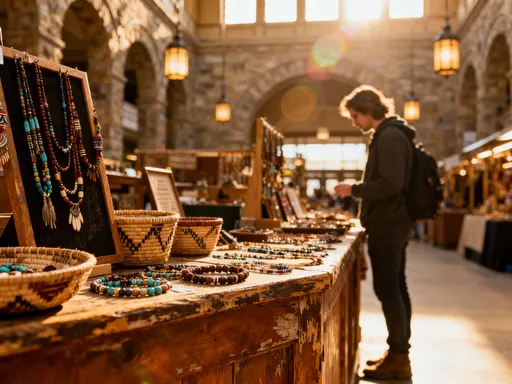
If Debrecen has a soul, it beats loudest inside the Great Market Hall, a bustling indoor bazaar that opens daily to locals and curious visitors alike. Located near the city center, this covered market is not a tourist performance but a working hub where families buy groceries, farmers sell their harvest, and grandmothers haggle over the price of fresh cheese. The moment you step inside, the air changes—rich with the aroma of smoked meat, ripe fruit, and warm bread. The ceiling soars overhead, supported by iron beams, and rows of stalls stretch in every direction, each one a window into the region’s culinary heart.
Vendors proudly display their goods: wheels of creamy túró cheese, jars of ruby-red pepper paste, baskets of wild mushrooms gathered from nearby forests. One stall overflows with honey in every shade, from pale gold to deep amber, each labeled with the type of flower the bees visited. Another specializes in pickled vegetables—cucumbers, cabbage, and peppers—crisp and tangy, made using family recipes passed down for decades. But it’s the meat section that draws the longest lines. Behind glass counters, rows of sausages hang like edible art: coiled ropes of Debrecener kolbász, thick slabs of bacon, and spicy winter salami dusted with white mold.
The sensory experience is overwhelming in the best way. The hum of conversation blends with the clatter of baskets and the sizzle of sausages grilling on a small stove near the entrance. Children peer into jars of homemade jam while their parents sample sour cherry preserves on toothpicks. The vendors, mostly middle-aged or elderly, speak with the confidence of people who know their craft. Many have worked here for thirty years or more, inheriting their stalls from parents or grandparents. They offer tastes freely, not to sell, but out of hospitality. To shop here is to participate in a living tradition—one that values quality, seasonality, and personal connection.
For visitors, navigating the market is part of the adventure. Cash is still king, though a few stalls now accept cards. It helps to learn a few Hungarian phrases—"Mennyi az ár?" (How much is it?) or "Kérek egy szeletet" (I’d like a slice)—but smiles go further than words. Locals appreciate the effort, and many respond with patient explanations or even small gifts. The best strategy is to wander slowly, sample often, and let curiosity guide you. By the time you leave, arms full of paper-wrapped packages, you’ll understand why the Great Market Hall is not just a place to shop, but a place to belong.
Taste of Tradition: Debrecen Sausage (Debrecener Kolbász)
No visit to Debrecen is complete without encountering its most famous export: the Debrecener kolbász, a paprika-rich sausage that has earned protected geographical status in the European Union. This is not the mass-produced, rubbery sausage found in supermarkets, but a deeply flavored, slow-smoked delicacy that embodies the soul of Hungarian cuisine. Made with coarsely ground pork, seasoned generously with sweet and hot paprika, garlic, and a touch of pepper, each bite delivers a balance of smokiness, spice, and savory richness. The red hue—thanks to high-quality Hungarian paprika—is unmistakable, a visual promise of the bold taste to come.
The origins of Debrecener kolbász trace back centuries, when preserving meat through salting and smoking was essential for survival in the harsh winters of the Great Plain. Over time, the recipe evolved into a regional specialty, with Debrecen becoming the epicenter of production. Traditional methods remain central: the meat is hand-mixed, stuffed into natural casings, and cold-smoked over beech or oak wood for up to two weeks. This slow process develops deep flavor and allows the sausage to age gracefully, improving over time. Authentic Debrecener is firm to the touch, slightly dry on the outside, and marbled with fat that melts into the meat when cooked.
Locals enjoy it in many ways—sliced thin on fresh bread, grilled and served with mustard, or chopped into stews and bean dishes. At breakfast, it might appear alongside fried eggs and pickled vegetables. During festivals, especially the annual Debrecen Flower Carnival, vendors grill sausages over open flames, filling the air with an irresistible smoky scent. The best versions are found at the Great Market Hall, where family butchers display their craft with pride. Look for labels indicating "hagyományos" (traditional) or "kézzel készített" (handmade), and don’t hesitate to ask for a sample. Many producers offer small tastes on toothpicks, allowing you to compare textures and spice levels.
For those who want to bring a piece of Debrecen home, vacuum-sealed packages are available, though connoisseurs agree that nothing compares to fresh, locally purchased sausage. Some farms outside the city offer tours where visitors can watch the smoking process, meet the producers, and buy directly from the source. These experiences deepen the appreciation for what might seem like a simple food item but is, in truth, a cultural artifact—one that connects modern eaters to generations of Hungarian craftsmanship and culinary wisdom.
Liquid Gold: Locally Produced Honey and Herbal Infusions
Just as the Debrecener sausage defines the city’s savory identity, honey captures its sweetness—both literal and symbolic. The vast meadows surrounding Debrecen, part of the Great Hungarian Plain, are a haven for bees. Here, wildflowers bloom in abundance: acacia in spring, sunflowers in summer, and thyme and mint scattered across the hillsides. Beekeeping has been practiced in this region for centuries, passed down through families who understand the rhythms of the seasons and the needs of their hives. The result is honey unlike any found in supermarkets—complex, floral, and alive with the taste of the land.
At the Great Market Hall and roadside stands on the outskirts of town, small-scale producers sell jars of honey in every variety. Acacia honey is pale and delicate, with a light sweetness that doesn’t overpower. Sunflower honey is thicker, golden with a slight buttery note, perfect for spreading on bread. Then there are the infused varieties—honey blended with crushed mint, dried thyme, or even chili flakes for a surprising kick. Some beekeepers add propolis or royal jelly for extra richness, believing in honey’s natural healing properties. Every jar tells a story: of a particular meadow, a specific bloom, a family’s care.
What sets this honey apart is its purity. These are not industrial operations with thousands of hives moved from field to field. Instead, most beekeepers manage only a few dozen hives, placing them in quiet, unpolluted areas far from highways and pesticides. The honey is harvested seasonally, never heated above natural temperatures, and bottled without additives. This artisanal approach means the flavor changes from year to year, reflecting the weather, the flowers, and the health of the bees. For travelers, tasting this honey is an act of connection—to nature, to tradition, to a way of life that values slowness and care.
Many producers offer tastings, inviting visitors to dip a wooden spoon and savor the differences. Some even host small workshops where guests can learn about bee behavior, hive maintenance, and the importance of pollinators. These experiences are especially meaningful for families, offering children a chance to see bees up close without fear. Herbal infusions, often sold alongside honey, complete the picture. Locally gathered herbs like elderflower, linden, and yarrow are dried and blended into soothing teas, perfect for a quiet evening after a day of exploration. Together, honey and herbs represent a quieter kind of luxury—one rooted in health, harmony, and the simple pleasure of a well-made cup of tea.
Crafted with Care: Handmade Textiles and Folk Art
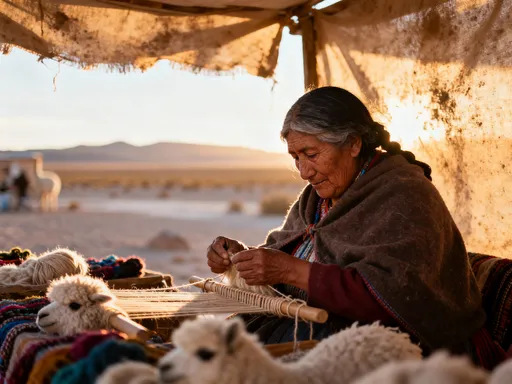
Beyond food, Debrecen’s cultural richness is woven into its textiles. Traditional Hungarian embroidery and linen crafts are still alive in the city and nearby villages, where women—often grandmothers and mothers—spend evenings stitching intricate patterns by hand. These textiles are not museum pieces but living expressions of identity, worn at festivals, gifted at weddings, and displayed in homes as symbols of pride. The designs are bold and symbolic: red tulips for love, geometric crosses for protection, swirling vines for continuity. Natural dyes from plants like madder root and walnut shells create deep, lasting colors that soften beautifully with age.
Visitors can find these handmade goods in small boutiques, cultural centers, and seasonal craft fairs. One of the best places to see them is the Debrecen Traditional Crafts Gallery, a modest storefront that partners with local artisans to showcase their work. Here, you’ll find embroidered blouses, tablecloths with lace trim, and linen aprons dyed in earthy reds and blues. Each piece is labeled with the maker’s name and village, reinforcing the connection between craft and community. Prices reflect the hours of labor involved, but many buyers consider them worthwhile investments in art and heritage.
The techniques used have been passed down orally and through practice, often from mother to daughter. Stitching is done with care, each loop and knot following patterns that date back generations. Some villages specialize in specific styles—certain floral motifs, particular color combinations—creating a regional tapestry of expression. In recent years, younger artisans have begun to reinterpret these traditions, blending classic designs with modern cuts and uses. You might find a traditional embroidered collar on a contemporary dress or a vintage pattern printed on a reusable tote bag, making the heritage accessible to new generations.
For travelers, purchasing these textiles is more than shopping—it’s an act of preservation. Every sale supports a craftsperson, helps sustain a fading tradition, and brings a piece of Hungarian soul into a new home. Whether you buy a small embroidered handkerchief or a full set of linen napkins, you’re carrying forward a legacy of patience, beauty, and cultural pride. These are not souvenirs in the disposable sense, but heirlooms in the making—meant to be used, cherished, and one day passed on.
Sweet Surprises: Local Desserts and Bakeries
No exploration of Debrecen would be complete without indulging in its rich dessert culture. Hungarian baking is a celebration of generosity, with cakes, pastries, and sweet breads appearing at every gathering. In Debrecen, family-run bakeries keep these traditions alive, rising before dawn to knead dough, stir fillings, and fill their display cases with golden, sugared delights. The scent of cinnamon, walnuts, and honey drifts from open doors, drawing in locals with a sweet tooth and visitors eager to taste something authentic.
One of the most beloved treats is the mézes kalács, a braided sweet bread infused with honey, spices, and citrus zest. Traditionally baked for Christmas and weddings, it has a soft, brioche-like texture and a deep amber crust. Each braid is hand-shaped, often with seven strands symbolizing the seven generations of a family. Another favorite is the bejgli, a rolled pastry filled with ground walnuts or poppy seeds, sweetened with honey and raisins. The filling is labor-intensive, requiring hours of grinding and simmering, but the result is worth it—a dense, fragrant swirl that pairs perfectly with strong coffee.
These desserts are more than food; they are expressions of hospitality. In Hungarian homes, guests are never received empty-handed. A plate of freshly sliced kalács or a box of bejgli is a gesture of welcome, a way of saying "you are valued." Bakeries understand this role and take pride in their work. Many still use wood-fired ovens, which give the breads a subtle smokiness you can’t replicate with gas. Others source flour from local mills, ensuring freshness and supporting regional agriculture. Labels in the shop windows proudly state "házilag készített"—made at home—emphasizing the homemade quality.
For visitors, the best approach is to follow the locals. Look for bakeries with long lines at mid-morning, when the first batches come out of the oven. Don’t be afraid to point and ask for a taste—many bakers will offer a small piece on a napkin. Some shops even provide seating, where you can sit with a coffee and watch the world go by. These moments of pause, of savoring something made with care, are what travel is truly about. In a world of fast food and instant gratification, Debrecen’s bakeries remind us of the joy found in slow, deliberate creation.
Beyond the Center: Day Trips to Producers and Farms
While Debrecen itself offers rich experiences, the true depth of its culture unfolds just beyond the city limits. The surrounding countryside is dotted with small farms, apiaries, and artisan workshops where the products found in the market are born. Day trips to these rural outposts offer a chance to see the origins of what you’ve tasted and touched—to meet the people behind the labels and witness the care that goes into every jar, sausage, and stitch.
One popular route leads into the Hortobágy region, a UNESCO World Heritage site and one of the largest semi-natural grasslands in Europe. Here, traditional farming methods persist: herders in conical hats guide longhorn cattle across open pastures, and thatched-roof shepherd huts dot the landscape. Several farms welcome visitors for tours, offering tastings of fresh cheese, smoked meat, and honey harvested that morning. Some even allow guests to try their hand at butter churning or beekeeping, creating immersive, hands-on experiences that are especially rewarding for families.
Arranging a visit can be as simple as asking at the tourist office or inquiring at the market. Many producers don’t have websites, but they’re happy to welcome respectful travelers who call ahead. Others participate in regional agritourism networks, which organize guided tours and farm stays. These programs emphasize sustainability, education, and cultural exchange, ensuring that tourism supports the local economy without disrupting daily life. Along country roads, you’ll also find roadside stands—simple wooden tables with handwritten signs—selling eggs, honey, and preserves. These are often unattended, operating on an honor system, a testament to the trust and honesty that still define rural communities.
The journey itself is part of the experience. Winding roads pass through golden fields, sunflower farms, and quiet villages where time seems to move slower. Wildflowers bloom along the ditches, and birds of prey circle overhead. There are no billboards, no fast-food chains—just the rhythm of the land and the people who work it. For travelers accustomed to curated experiences, this raw authenticity can be startling, then deeply comforting. It’s a reminder that the best parts of a place are often found off the main road, in the quiet moments between destinations.
Conclusion: Why Specialty Products Tell Debrecen’s Story
Debrecen does not shout its charms. It does not rely on grand monuments or flashy attractions. Instead, it reveals itself slowly, through the taste of a perfectly smoked sausage, the warmth of a hand-embroidered scarf, the golden sweetness of sunflower honey. Its specialty products are not mere souvenirs—they are the living threads of a culture that values craftsmanship, seasonality, and connection. Each one tells a story: of a family recipe, a generational skill, a deep relationship with the land.
In a world where so much feels mass-produced and impersonal, Debrecen offers something rare: authenticity. To travel here is to slow down, to pay attention, to listen. It is to understand that the soul of a place is often found not in its landmarks, but in its markets, kitchens, and workshops. When you buy a jar of honey from a beekeeper who shows you her hives, or a scarf from a woman who stitched it by hand, you’re not just acquiring an object—you’re participating in a tradition.
So let curiosity guide your journey. Seek out the small producers, the family bakeries, the quiet farms. Ask questions. Taste everything. Let the flavors and textures of Debrecen linger on your tongue and in your memory. This city rewards those who look beyond the surface, who are willing to engage with its rhythms and respect its pace. In doing so, you don’t just visit Debrecen—you connect with it. And that connection, like a well-made sausage or a hand-braided kalács, is something you can carry with you long after you’ve left.