You Won’t Believe What I Found While Shopping in Chefchaouen
Wandering through Chefchaouen’s blue-washed streets feels like stepping into a dream. But beyond the photogenic walls, the real magic? Shopping with soul. From handwoven rugs to locally dyed wool, every market stall tells a story. I didn’t expect to find such authenticity around every corner—vibrant colors, warm artisans, and prices that actually make sense. This isn’t just retail; it’s a cultural connection. Let me take you through the spots that made my trip unforgettable.
The Allure of Chefchaouen’s Market Culture
Chefchaouen, nestled in the Rif Mountains of northern Morocco, is often celebrated for its striking blue-painted buildings that shimmer under the Mediterranean sun. Yet what truly sets this town apart is not only its visual charm but the living culture embedded in its marketplace traditions. Unlike the bustling, commercialized souks of larger cities like Marrakech or Fes, Chefchaouen’s shopping experience unfolds at a gentler pace—one rooted in personal connection, craftsmanship, and tradition. The famed blue tones are more than aesthetic; they symbolize peace, spirituality, and continuity, values mirrored in the way local artisans approach their work.
As you wander deeper into the medina, the scent of cedar wood drifts from hand-carved furniture stalls, while bolts of hand-dyed wool in deep saffron, indigo, and terracotta ripple gently in the mountain breeze. Vendors, many of whom have spent decades in the same family-run stalls, greet passersby not with aggressive sales pitches, but with warm invitations to sit, sip mint tea, and simply talk. This is not transactional shopping—it’s relational. Conversations unfold slowly, often beginning with questions about your journey, your family, or your thoughts on the weather. Only later does the topic turn to crafts, and even then, it feels less like a sale and more like an exchange of stories.
What makes Chefchaouen’s market culture particularly authentic is its resistance to mass production. While other tourist destinations have seen their artisan economies overtaken by imported trinkets and factory-made replicas, Chefchaouen remains a stronghold of handmade authenticity. Most goods are created within the town or nearby villages, using techniques passed down through generations. This commitment to tradition means that every item carries a sense of origin—whether it’s a hand-loomed blanket, a hand-thrown ceramic tagine, or a hand-stitched leather pouch. The result is a shopping experience that feels meaningful, grounded, and deeply human.
Exploring the Main Souk: Heart of Local Craftsmanship
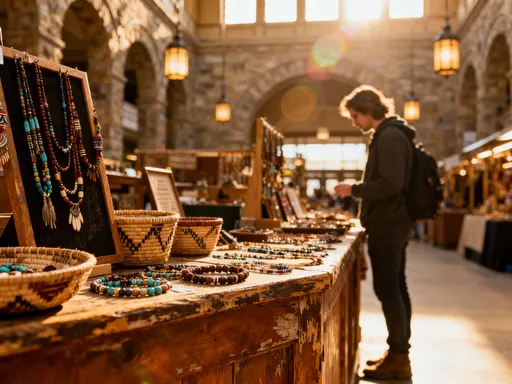
The beating heart of Chefchaouen’s artisan economy lies in its central souk, clustered around Outa Hammam Square near the old mosque and public baths. This is where the town’s commercial energy converges, yet it maintains a remarkably intimate atmosphere. Narrow alleys lined with small stalls open into quiet courtyards where artisans work in plain sight—spinning wool, polishing copper, or painting intricate patterns onto clay vessels. The rhythm here is unhurried, shaped more by sunlight than by clocks.
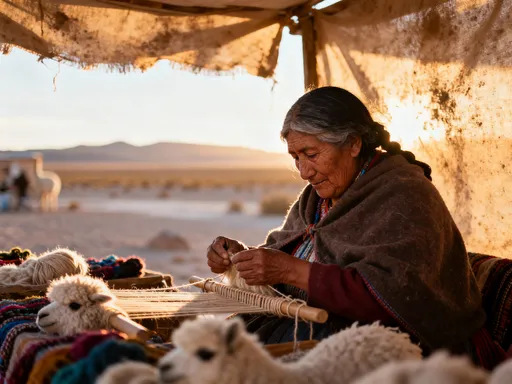
Among the most sought-after items are the traditional Berber textiles known as burnouses—thick, hooded woolen cloaks woven in bold stripes and geometric motifs. These garments are not merely decorative; they are functional heirlooms, designed to withstand the cool mountain climate and rich in cultural symbolism. Each pattern tells a story, often tied to a specific tribe or region, with colors carrying meanings related to fertility, protection, or spiritual strength. Watching a weaver at work, hands moving rhythmically across the loom, one gains a deeper appreciation for the time and intention behind each piece.
Ceramic tagines, used for slow-cooked stews, are another staple of the souk. Unlike mass-produced versions found elsewhere, Chefchaouen’s tagines are hand-molded and painted with natural pigments, often featuring the town’s signature blue hues accented with floral or arabesque designs. Equally prized are argan oil products, produced by women’s cooperatives in the surrounding countryside. This golden oil, extracted from the kernels of the argan tree, is used both in cooking and skincare, celebrated for its nourishing properties. Buying directly from the cooperatives ensures fair compensation and supports community-led economic development.
Bargaining, while common, is conducted with mutual respect. A fair starting point is typically 30 to 50 percent below the initial asking price, though experienced shoppers know that pushing too hard can undermine the dignity of the craft. The goal is not to win a deal, but to reach a price that feels equitable to both parties. Many locals appreciate when visitors show genuine interest in the making process, asking questions about materials or techniques. Such engagement often leads to more honest pricing and a warmer interaction overall.
Hidden Artisan Workshops Off the Beaten Path
Beyond the main thoroughfares of the souk, tucked into quiet alleyways and staircases that climb the hillside, lie the lesser-known workshops that offer some of the most rewarding shopping experiences. These are not designed for high foot traffic; they are working studios where families preserve centuries-old methods of dyeing, weaving, and carving. Finding them requires curiosity and a willingness to wander without a map—exactly the kind of exploration that yields the most authentic memories.
One such discovery is a small dye workshop run by a Berber family who have practiced natural dyeing for over five generations. Inside a modest stone room, skeins of wool hang from wooden beams, soaked in vats of indigo, saffron, pomegranate peel, and henna. The colors emerge slowly, deepening over hours as the fibers absorb the plant-based pigments. The artisan, a woman in her sixties with hands stained blue from years of work, explained how each dye requires precise timing and temperature, and how the recipes are memorized rather than written down. She offered a brief demonstration, stirring a pot of simmering madder root to produce a rich crimson—then invited me to touch the finished yarn, soft and luminous in the daylight.
Other hidden studios specialize in woodcraft, producing everything from ornate mirror frames to simple, functional spoons carved from olive wood. What stands out is the absence of power tools—everything is shaped by hand with chisels and mallets, a practice that demands patience and precision. Some artisans welcome short visits, allowing guests to observe or even try a few strokes under guidance. These moments of participation transform a simple purchase into a shared experience, creating a personal bond between traveler and maker.
Because these workshops operate outside the tourist mainstream, their prices are often more reasonable than those in the central souk, despite offering higher quality. Without the pressure to generate high volume, artisans can focus on detail and durability. A hand-dyed scarf from one of these studios may cost slightly more than a factory-made version, but it carries the weight of history, skill, and intention. For travelers seeking souvenirs with depth, these quiet corners of Chefchaouen are invaluable.
Textiles That Tell a Story: From Wool to Wearable Art
The textile tradition in Chefchaouen is one of the most vibrant expressions of Amazigh (Berber) cultural identity. Unlike mass-produced fabrics that prioritize uniformity and speed, the region’s handwoven textiles celebrate individuality, symbolism, and resilience. Every thread, color, and pattern serves a purpose—some protective, some ceremonial, others simply celebratory of life’s rhythms. To buy a textile here is not just to acquire a beautiful object, but to carry a fragment of living heritage.
Striped wool blankets, often in combinations of red, black, white, and indigo, are among the most iconic pieces. These designs are not random; they reflect tribal affiliations and geographic origins. For example, certain zigzag patterns may represent mountain ranges, while diamond motifs can symbolize the eye of protection against negative energy. Weavers often incorporate personal elements—birthmarks, names, or significant dates—into their work, making each piece uniquely meaningful. One weaver shared that she weaves a small red thread into every blanket for good luck, a tradition taught to her by her grandmother.
Identifying authentic hand-spun wool requires attention to detail. Genuine pieces will have slight irregularities in thickness and tension, a hallmark of human craftsmanship. Factory-made imitations, by contrast, are unnaturally uniform and often feel stiffer to the touch. Another clue is weight: handwoven wool is typically denser and warmer, built to last for decades. When shopping, it’s wise to ask about the wool’s origin—locally sourced from mountain flocks is a strong indicator of authenticity.
For many visitors, especially women in the 30 to 55 age range who value both beauty and purpose in their purchases, these textiles resonate on an emotional level. They are not merely decorative; they are functional art, suitable for use as throws, wall hangings, or even ceremonial shawls. More importantly, they represent a connection to women’s roles in preserving culture. In many cases, weaving is a communal activity, passed from mother to daughter, reinforcing bonds across generations. By supporting these artisans, travelers contribute to the continuation of a vital tradition.
Ceramics, Spices, and Scented Treasures
While textiles dominate much of the conversation, Chefchaouen’s markets offer a rich variety of other handcrafted goods that engage all the senses. Among the most captivating are the ceramics—hand-thrown, hand-painted, and fired in small kilns using methods unchanged for centuries. The most distinctive pieces feature blue-and-white designs inspired by the town’s architecture, often adorned with floral patterns or Islamic geometric motifs. Tagines, with their conical lids designed to recycle steam during cooking, are both practical and beautiful, making them a popular choice for home cooks and collectors alike.
Equally enchanting are the spice stalls, where mounds of ground cumin, turmeric, paprika, and cinnamon form miniature landscapes of color and aroma. Vendors proudly display their blends, especially ras el hanout—a complex mixture that can include up to thirty different spices, from ground rose petals to cardamom and galangal. Many offer custom blending services, adjusting heat levels or adding medicinal herbs based on customer preference. These personalized mixes make thoughtful gifts, especially when paired with a hand-painted spice jar.
Local honey, harvested from bees that feed on wild thyme and mountain herbs, is another prized item. Its deep amber color and floral notes reflect the purity of the Rif ecosystem. Sold in simple glass jars or traditional clay pots, it’s often recommended for soothing sore throats or enhancing morning tea. For those interested in natural wellness, argan oil remains a standout—cold-pressed and unrefined, it’s rich in vitamin E and antioxidants, ideal for dry skin or damaged hair.
When bringing fragile items like ceramics or glass jars home, careful packing is essential. Most artisans are experienced in preparing goods for travel and will wrap them in layers of paper and cloth. For added security, consider placing them in a hard-sided suitcase or using a travel case designed for delicate items. It’s also wise to check airline regulations regarding liquids and gels—while honey and oil are generally allowed in checked luggage, restrictions may apply to carry-ons. Keeping receipts or notes about the origin of items can help explain their significance if questioned at customs.
Ethical Shopping: Supporting Local Without Exploitation
As tourism continues to grow in Chefchaouen, so does the importance of shopping responsibly. While the town has largely resisted the influx of cheap, imported goods, there are signs of change—some stalls now sell plastic trinkets, machine-printed scarves, and mass-produced lanterns that have little connection to local culture. These items are often priced lower, appealing to budget-conscious travelers, but they undermine the very authenticity that draws people to Chefchaouen in the first place.
Choosing to buy directly from artisans—whether in a workshop, family stall, or cooperative—ensures that income stays within the community. It also allows for transparency: you can see how items are made, meet the people behind them, and understand their cultural context. This kind of slow shopping fosters respect and appreciation, transforming a simple transaction into a meaningful exchange.
One way to identify ethical vendors is to look for signs of production on-site. If you see looms, dye vats, or kilns, it’s a strong indicator that the goods are handmade locally. Another clue is language: artisans who speak Tamazight (the Berber language) or have deep roots in the region are more likely to be producing authentic work. Asking questions—about materials, techniques, or family history—not only helps verify authenticity but also deepens the experience.
It’s also important to recognize that fair pricing supports sustainability. Paying a little more for a handwoven blanket or hand-thrown tagine helps ensure that younger generations can continue these traditions without being forced into low-wage tourism jobs. Ethical shopping isn’t about guilt; it’s about intention. It’s about choosing quality over quantity, connection over convenience, and culture over commodification.
Why These Experiences Stay With You Long After the Trip
Years after a journey ends, most details fade—the exact date, the name of the hotel, even the weather on a given day. But certain moments linger. For many travelers, especially those who value depth and meaning in their experiences, the memory of sitting in a blue-washed courtyard, sipping tea with a weaver who explained the meaning behind a pattern, remains vivid. It’s not the object itself that endures, but the story it carries.
Consider the difference between a mass-bought souvenir—a plastic keychain from a generic shop—and a woolen blanket purchased after watching it being woven, learning about the symbolism of its stripes, and hearing the artisan’s laughter as she joked about her stubborn sheep. The latter becomes a vessel of memory, a tangible link to a moment of human connection. Every time it’s used, it rekindles the warmth of that encounter, the scent of cedar, the sound of the mountain wind.
Shopping in Chefchaouen, at its best, is not about accumulation. It’s not about filling suitcases with things. It’s about choosing a few meaningful items that reflect the spirit of a place and the people who shape it. It’s about slowing down, engaging with care, and recognizing that commerce can be a form of cultural dialogue. In a world where so much is disposable, these experiences offer something rare: authenticity, continuity, and heart.
For women who travel not just to see, but to feel and understand, Chefchaouen offers a model of how shopping can be transformed into something sacred. It invites us to seek out destinations where artistry is honored, where stories are shared, and where every purchase carries the weight of a handshake across cultures. The next time you plan a trip, ask yourself: do I want souvenirs that sit on a shelf—or ones that live in my heart?