You Won’t Believe What I Found Shopping for Senegal’s Soul in Dakar
Dakar isn’t just West Africa’s vibrant coastal capital—it’s a sensory explosion where shopping means diving into food culture at every corner. From bustling markets thick with spice-laden air to street vendors grilling fresh fish over open flames, every purchase tells a story. I went looking for souvenirs but left with recipes, connections, and flavors etched in my memory. This is shopping with soul, where every bite and bargain reveals the heart of Senegalese life.
The Rhythm of Dakar’s Markets
Dakar’s markets are not merely places to buy goods—they are living, breathing centers of daily life, where commerce, culture, and community pulse in unison. Among the most renowned are Sandaga Market and HLM Market, sprawling hubs that anchor entire neighborhoods. These are not sterile shopping complexes but dynamic ecosystems where the air hums with bartering voices, the clatter of baskets, and the rhythmic chopping of onions on wooden boards. The scent of dried fish, crushed ginger, and smoked paprika rises in waves, mingling with the occasional whiff of diesel from passing minibuses. Vendors call out in Wolof and French, their voices rising above the din, while children weave through the aisles carrying trays of water bottles balanced expertly on their heads.
What makes these markets truly special is their role as cultural crossroads. Here, rural farmers bring produce from the interior, fishermen unload their morning catch, and artisans sell handcrafted tools used in Senegalese kitchens. The marketplace is where generations meet—older women haggle with practiced ease, while younger shoppers compare prices on mobile phones. Women dominate the trade, often managing entire stalls that have been in their families for decades. Their presence underscores the deep connection between commerce and domestic life, where buying ingredients is an act of care, preparation, and love.
Bargaining is not aggressive but conversational, a dance of mutual respect. A shopper might begin by asking the price, then offer slightly less, and through a few rounds of polite exchange, both parties settle on a fair amount. This custom isn’t about squeezing every franc—it’s about building rapport. A smile, a shared joke, or a compliment on the freshness of the okra can seal the deal more than any number. In this way, shopping becomes a social ritual, reinforcing trust and familiarity in a fast-growing city where anonymity could easily take hold.
Markets like Sandaga also reflect Dakar’s layered history. Originally developed during the colonial era, they have evolved into spaces of local ownership and innovation. Today, they are hubs of informal economy, where thousands earn a livelihood without corporate backing. They are also resilient—when weather damages stalls or supplies run short, vendors adapt quickly, borrowing from neighbors or shifting locations. This flexibility is part of their strength, ensuring that even amid urban expansion and modernization, the heartbeat of Dakar’s food culture remains strong.
Spices, Staples, and the Secrets of Thieboudienne
No exploration of Dakar’s culinary soul is complete without encountering thieboudienne, Senegal’s national dish. This rich, flavorful stew of fish, broken rice, and vegetables is more than a meal—it is a symbol of unity, often shared among extended families on Fridays or during celebrations. The dish begins not in the pot, but in the market, where the careful selection of ingredients sets the foundation for its excellence. To shop for thieboudienne is to engage in an act of cultural preservation, where every choice carries meaning.
The centerpiece is the fish. In Dakar, vendors lay out gleaming whole fish—red snapper, grouper, or bonga—on beds of crushed ice. A skilled shopper checks for clarity in the eyes, firmness in the flesh, and a clean, briny scent. The weight of the fish matters too; a heavier one often means it was caught recently and retains moisture. Fishmongers, usually men who arrive before dawn from the fishing ports, take pride in their catch and will gladly explain how and where it was sourced. Buying fish here is not transactional—it’s relational, built on trust and repeated visits.
Beside the fish stalls, mounds of broken rice sit in woven baskets. Known locally as *cebe jadd*, this rice is not a flaw but a feature. Its fractured grains absorb flavors more deeply than long-grain varieties, making it ideal for slow-simmered dishes. Nearby, vats of red palm oil catch the sunlight, their deep orange hue a promise of richness. This oil, extracted from locally grown palm fruit, gives thieboudienne its distinctive color and earthy depth. It is sold in reused bottles or plastic jugs, carefully labeled with the producer’s name or village.
Equally vital are the seasonings. Dried red peppers, turmeric, and garlic powder are arranged in colorful pyramids, each pile a spectrum of warmth and intensity. One ingredient stands out: *soumbala*, a fermented condiment made from African locust beans. With a pungent, umami-rich aroma similar to miso or soy sauce, soumbala deepens the flavor profile of stews and is often ground fresh at the market. Women sell it in small paper packets, explaining how a pinch can transform a simple pot of vegetables. These spices are not just flavorings—they are storytellers, carrying knowledge passed down through generations.
Assembling the components of thieboudienne is a deliberate process. Shoppers move from stall to stall, building their basket with intention. The rhythm of this ritual—touching, smelling, negotiating—prepares not just the ingredients, but the cook, for the act of creation. In this way, shopping becomes the first step in a culinary journey that ends at the family table, where stories are shared over steaming bowls of rice and fish.
Street Food as Urban Ritual
While markets offer the raw materials of Senegalese cuisine, street food brings it to life in the moment. Dakar’s sidewalks are dotted with small stalls and mobile grills, each serving up quick, satisfying meals that fuel the city’s pace. These are not fast-food imitations but authentic expressions of local taste, where tradition meets convenience. To eat on the go in Dakar is to participate in an urban ritual—one that values flavor, affordability, and human connection.
One of the most beloved offerings is *yassa poulet*, a tangy chicken dish marinated in lemon, onions, and mustard, then grilled and served with rice. Street vendors prepare it in open-air kitchens, where flames leap from charcoal grills and onions sizzle in cast-iron pans. The scent draws passersby like a magnet. Customers gather on plastic stools, watching as the cook layers rice onto a paper plate, adds tender chicken pieces, and tops it with a generous spoonful of caramelized onions. The balance of sour, sweet, and savory is perfect—a taste that lingers long after the last bite.
Another favorite is *boulettes*, Senegalese meatballs made from spiced beef or fish, often served in a light broth or wrapped in paper with a side of spicy sauce. Found near bus stops and school exits, these stalls cater to workers and students on tight schedules. Yet speed does not compromise quality. The boulettes are hand-rolled, fried to a crisp exterior, and kept warm over low heat. Regular customers know which vendor uses the best spices or offers extra sauce for no additional charge. Loyalty is earned through consistency, not marketing.
Shopping for street food is an exercise in trust. There are no menus or health inspection ratings—only reputation. Locals judge freshness by the vendor’s setup: clean hands, covered ingredients, and a steady stream of customers. Many stalls have been operating for years, their owners recognized by name. A simple “Bonjour, Mame!” can earn a warmer welcome and perhaps a larger portion. This personal touch turns a quick meal into a moment of belonging.
The affordability of street food makes it accessible to nearly everyone, reinforcing its role as a social equalizer. A full meal can cost less than two dollars, yet it delivers nutrition, flavor, and comfort. For many Dakarois, these daily stops are as essential as meals at home. They are also spaces of informal diplomacy—strangers share tables, discuss the weather, or debate football results while eating side by side. In a city of over three million, such moments of connection are invaluable.
From Market to Kitchen: A Shop-Along Journey
To understand Dakar’s food culture fully, one must follow the journey from market to kitchen. I had the privilege of shadowing Awa Diop, a home cook in her fifties who has been preparing meals for her family for over three decades. Her routine begins before sunrise, when the city is still quiet and the air is cool. She heads to the fish auction near the Port of Dakar, where boats unload their catch directly onto the dock. Here, women like Awa arrive early to secure the best pieces—whole fish with intact scales and clear eyes.
After selecting her fish, Awa moves to the vegetable section of Sandaga Market. Her list is precise: two large onions, a bundle of parsley, two carrots, and a handful of Scotch bonnet peppers. She inspects each item carefully—onions should be firm and dry, parsley bright green without wilting. She avoids pre-cut vegetables, believing they lose flavor and nutrients. Her knowledge is practical, built over years of experience rather than formal training. When I ask how she knows what’s fresh, she smiles and says, “My hands tell me.”
Awa’s shopping strategy includes timing. She shops on Tuesdays and Fridays, when supply is highest and competition among vendors keeps prices fair. She avoids weekends, when tourist demand inflates costs. She also knows which stalls offer discounts at the end of the day, a practice some vendors use to clear inventory. Her network of trusted sellers allows her to reserve items in advance, ensuring she gets exactly what she needs.
Back in her kitchen, the ingredients come together in a well-practiced sequence. The fish is scaled and gutted, then marinated with salt, garlic, and lemon. Onions are sliced thinly and slowly caramelized in palm oil. The rice is rinsed until the water runs clear, then simmered with tomatoes, fish stock, and a touch of soumbala. Every step is deliberate, rooted in tradition but adapted to modern life. Awa uses a pressure cooker to save time, but she never skips the slow sauté of onions—a technique she says “builds the soul of the dish.”
Watching Awa cook is like attending a masterclass in Senegalese gastronomy. Her kitchen is modest—cement floor, gas stove, open windows—but it is filled with the warmth of care and intention. When her grandchildren arrive after school, they are greeted with bowls of steaming thieboudienne, served on colorful plastic plates. The meal is simple, but the love behind it is unmistakable. In this home, cooking is not a chore—it is an act of legacy.
Artisan Encounters: Beyond Food
While food dominates the sensory landscape of Dakar, the city’s artisans play a quiet but essential role in shaping its culinary culture. Beyond the markets, skilled craftspeople create the tools that bring meals to life—handwoven baskets for carrying produce, ceramic bowls for serving stews, and wooden spoons carved from local hardwoods. These items are not decorative; they are functional, durable, and deeply tied to everyday life.
In neighborhoods like Fann and Plateau, small workshops display their wares under shaded awnings. One such artisan, Pape Sarr, carves spoons and serving paddles from *dior* wood, known for its strength and resistance to moisture. Each piece is shaped with a machete and smoothed with sandpaper, taking hours to complete. Pape explains that a good spoon should feel balanced in the hand and never splinter in hot food. He sells them at market stalls and to passing tourists, but his best customers are local cooks who return for replacements every few years.
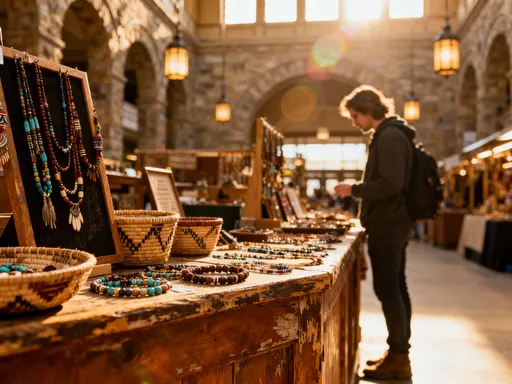
Another craft central to food culture is basket weaving. Women in villages outside Dakar use dried palm fronds and reeds to create sturdy, flexible baskets used for carrying vegetables, storing onions, or serving bread. The patterns vary by region, with some featuring intricate geometric designs. These baskets are lightweight, breathable, and biodegradable—far more sustainable than plastic bags. In recent years, some cooperatives have begun selling them in eco-conscious boutiques, helping to preserve the craft while providing fair income.
Buying these artisan goods is more than a shopping act—it is a form of cultural support. When travelers choose a hand-carved spoon over a mass-produced souvenir, they contribute to the survival of traditional skills. Ethical purchasing means paying fair prices, asking about the maker’s story, and avoiding counterfeit imitations sold in tourist zones. It also means respecting the craft by using the items as intended, not as wall decorations. In this way, a simple wooden spoon becomes a bridge between visitor and host, tradition and modernity.
Hidden Gems: Local-Only Spots Most Tourists Miss
While Sandaga and HLM attract most visitors, Dakar’s true culinary treasures often lie off the beaten path. In residential areas like Grand Yoff and Parcelles Assainies, small neighborhood markets operate with little fanfare but unmatched authenticity. These are places where locals shop daily, where prices are lower, and where the pace allows for deeper engagement. One such spot is the early-morning fish kiosk near the mosque in Keur Zaman, where fishermen sell directly to housewives before dawn.
Another hidden gem is the weekly pop-up market in Medina, where women prepare fresh *thieboudienne* to order and sell it in reusable containers. There are no signs, no menus—just word-of-mouth and regular customers who arrive with their own bowls. The food is exceptional, cooked in large black pots over wood fires, with flavors that reflect decades of refinement. To find it, one must ask a local, ideally in Wolof: “Où est le marché de nourriture du mardi?” (Where is the Tuesday food market?).
Navigating these spaces requires respect and humility. Most transactions are cash-only, so carrying small bills is essential. Greetings matter—starting with “Salaam aleikum” or “Bonjour” establishes goodwill. Pointing or speaking too loudly is considered rude; instead, a polite gesture or a patient wait earns better service. Some vendors may not speak French fluently, so learning a few key phrases—“Combien?” (How much?), “Merci” (Thank you), “C’est bon” (It’s good)—goes a long way.
These local-only spots offer a different kind of tourism—one based on presence rather than performance. There are no photo ops staged for visitors, no souvenir t-shirts with slogans. Instead, there is real life: a grandmother bargaining for okra, a teenager buying a snack after school, a cook preparing lunch for her neighbors. To experience Dakar this way is to move beyond observation into participation, to become, however briefly, part of the fabric of the city.
Why This Kind of Shopping Changes How You Travel
Shopping in Dakar is not about acquiring things—it is about experiencing culture in its most tangible form. When travelers buy ingredients, spices, or handmade tools, they are not just spending money; they are engaging in a dialogue with local life. This kind of commerce is reciprocal: the visitor gains insight, the vendor gains support, and both leave with something meaningful. It stands in contrast to transactional tourism, where souvenirs are collected without connection, and experiences are packaged for convenience.
Food-centered shopping reshapes travel priorities. Instead of rushing from monument to museum, visitors slow down, observe, and interact. They learn to smell the difference between fresh and stale fish, to recognize the sound of onions caramelizing, to appreciate the skill behind a well-woven basket. These sensory lessons stay longer than any guidebook fact. They become part of the traveler’s own story, recalled not in photos but in taste, scent, and memory.
Moreover, this approach fosters genuine connection. A conversation at a spice stall, a shared laugh with a street vendor, a recipe passed from cook to curious visitor—these moments break down barriers of language and culture. They remind us that, despite differences, people everywhere care about feeding their families, preserving traditions, and sharing good food. In a world where travel can sometimes feel commercialized or superficial, Dakar offers a return to authenticity.
Ultimately, shopping for Senegal’s soul is an invitation to travel with intention. It challenges us to seek destinations where commerce and culture are inseparable, where every purchase carries meaning, and where the act of buying becomes an act of understanding. It urges us to look beyond the surface, to listen, to taste, and to participate. Because when we shop with curiosity and respect, we don’t just bring souvenirs home—we bring back a deeper sense of the world, and our place within it.