You Won’t Believe What I Found in Winnipeg’s Hidden Shopping Spots
Winnipeg isn’t the first place that comes to mind when you think of shopping, but trust me—this city surprised the heck out of me. I went looking for souvenirs and walked away with stories, local art, and one-of-a-kind finds. From bustling markets to quiet boutiques, Winnipeg’s shopping scene is alive, authentic, and totally underrated. Let me take you through the real, unfiltered experience. What I discovered wasn’t just beautiful craftsmanship or unique goods—it was connection. Each shop told a story, every vendor shared a piece of their life, and every purchase felt meaningful. This isn’t retail therapy in the conventional sense. It’s a journey into the heart of a community that values creativity, tradition, and authenticity. If you’re ready to move beyond glossy malls and predictable chains, Winnipeg is waiting to surprise you.
First Impressions: Why Winnipeg’s Shopping Scene Stands Out
When most travelers think of Canadian shopping destinations, cities like Vancouver, Toronto, or Montreal come to mind—places known for high-end boutiques, international brands, and sprawling malls. Winnipeg, by contrast, flies under the radar. But that’s precisely what makes it special. The city’s retail culture isn’t shaped by tourism trends or global branding. Instead, it grows organically from its diverse population, rich Indigenous heritage, and strong community spirit. Walking through its neighborhoods, you quickly realize that shopping here isn’t just about acquiring things—it’s about experiencing the city’s rhythm, meeting its people, and understanding its identity.
What struck me most was the absence of commercial over-saturation. You won’t find endless rows of chain stores on every corner. Instead, local entrepreneurs run independent shops that reflect their passions and values. There’s a quiet confidence in the way these businesses operate—not trying to impress with flashy displays, but inviting you in with warmth and authenticity. I arrived with modest expectations, assuming I’d pick up a postcard or two and maybe a locally made candle. What I didn’t expect was to spend hours browsing hand-carved sculptures, sampling homemade preserves, and chatting with artists who’ve been shaping Winnipeg’s creative scene for decades.
This authenticity is rooted in Winnipeg’s unique urban character. As a crossroads of cultures—European, Indigenous, Métis, Filipino, and many others—the city’s shopping landscape mirrors its diversity. You’ll find Ukrainian embroidery next to Métis beadwork, French pastries beside bannock stands. It’s not curated for tourists; it’s lived every day by residents who take pride in their traditions and creativity. That genuine, unpolished quality is what makes shopping in Winnipeg so refreshing. It doesn’t try to be something it’s not. It simply is—and that’s exactly why it resonates so deeply.
The Heartbeat of Local Commerce: The Forks Market
No visit to Winnipeg is complete without spending time at The Forks Market, a vibrant hub where history, culture, and commerce come together. Nestled at the confluence of the Red and Assiniboine Rivers, this National Historic Site has been a gathering place for over 6,000 years. Today, it remains a living testament to community connection, with the market serving as its beating heart. Unlike sterile shopping centers, The Forks feels alive—filled with the scent of fresh bread, the hum of conversation, and the clink of artisan tools at work. It’s not just a place to buy things; it’s a place to feel part of something bigger.
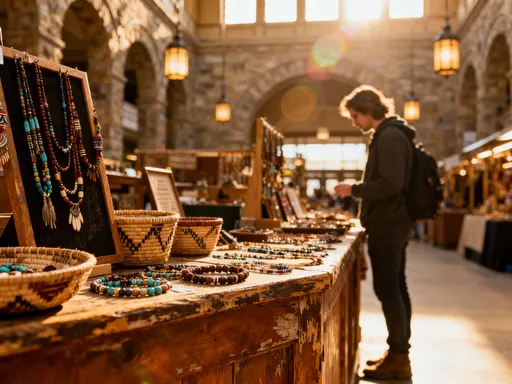
The market is home to more than 50 vendors, each carefully selected to represent the region’s best. You’ll find everything from hand-thrown pottery and handwoven textiles to small-batch preserves and organic skincare. What sets The Forks apart is its deep commitment to local sourcing. Nearly every product sold here is made within Manitoba, often by the person standing behind the counter. This direct connection between maker and buyer transforms shopping from a transaction into a conversation. I remember speaking with a Métis artisan who explained the symbolism behind her beadwork—how each pattern told a story of resilience and identity. That moment wasn’t just about purchasing a beautiful piece; it was about honoring a tradition.
One of the most striking aspects of The Forks is its inclusivity. Indigenous vendors are prominently featured, with dedicated spaces that celebrate First Nations, Métis, and Inuit artistry. These aren’t token displays—they’re integral to the market’s identity. Visitors can browse intricately carved soapstone figures, admire quillwork on leather pouches, or sip bison stew from a local food stand. The emphasis is on authenticity and respect, ensuring that cultural expressions are shared in ways that empower the communities they come from. It’s a model of ethical commerce that other cities could learn from.
And then there’s the food. The Forks Market is a culinary destination in its own right, with a food hall that showcases the best of Manitoba’s agricultural bounty. From pickerel tacos to wild blueberry jam, every bite tells a story of the land. I spent one afternoon sampling smoked salmon from a family-run fishery, learning how they’ve sustainably harvested from Lake Winnipeg for generations. These experiences go beyond taste—they deepen your understanding of place. When you support these vendors, you’re not just buying a product. You’re preserving a way of life.
Beyond the Mainstream: Hidden Boutiques in the Exchange District
If The Forks represents the soul of Winnipeg’s shopping culture, the Exchange District is its creative pulse. This historic neighborhood, designated a National Historic Site, is lined with beautifully preserved early 20th-century buildings that now house art galleries, design studios, and independent boutiques. Walking through its streets feels like stepping into a living museum—where architecture, art, and commerce blend seamlessly. It’s the kind of place where you can spend an entire afternoon getting lost in narrow alleys, discovering hidden courtyards, and stumbling upon shops that feel more like curated galleries than retail spaces.
One of the joys of shopping in the Exchange District is the sense of discovery. Stores aren’t arranged in predictable patterns. Instead, they reveal themselves gradually—through unmarked doors, tucked-away stairwells, or behind ivy-covered facades. I remember finding a tiny jewelry studio on Albert Street, where a local designer handcrafts pieces using reclaimed silver and Canadian gemstones. Her workspace doubles as her shop, and she invites customers to watch her work at the bench. That kind of transparency—seeing the craft in progress, hearing the artist’s inspiration—is rare in mainstream retail. It makes the final piece feel even more special.
Fashion lovers will appreciate the district’s growing reputation for sustainable and ethical style. Several boutiques specialize in upcycled clothing, turning vintage fabrics into modern designs. Others carry collections from Manitoba-based designers who prioritize slow fashion—creating high-quality garments meant to last. I found a beautifully tailored coat made from repurposed wool blankets, its lining stitched with traditional floral patterns. The owner explained that each piece is numbered and comes with a story card, detailing its inspiration and creation process. These aren’t clothes you wear once and discard. They’re heirlooms in the making.
What makes the Exchange District truly special is the personal touch. Shop owners aren’t just salespeople—they’re curators, storytellers, and often artists themselves. Many remember regular customers by name, ask about their families, and recommend new arrivals based on past purchases. This level of care fosters loyalty and trust. It also creates a shopping experience that feels warm and human in an increasingly digital world. In a time when so much commerce happens online, the Exchange District reminds us of the joy of slowing down, engaging face-to-face, and supporting people who pour their hearts into their work.
Weekend Gems: Exploring Neighbourhood Markets and Pop-Ups
While The Forks and the Exchange District offer year-round shopping opportunities, some of Winnipeg’s most memorable finds happen on weekends at smaller, community-driven markets. These gatherings—often seasonal or event-based—bring together farmers, artisans, bakers, and musicians in shared spaces that buzz with energy and authenticity. They’re not just places to shop; they’re celebrations of local life. I discovered one such gem at the St. Norbert Farmers’ Market, held every Saturday from May through October in a charming south-end neighborhood known for its Franco-Manitoban heritage.
The market unfolds in a converted schoolyard, where long tables are laden with fresh produce, handmade soaps, and baked goods still warm from the oven. What makes it special is its deep connection to the land. Many vendors are small-scale farmers who grow or raise their products using sustainable methods. I met a woman who raises heritage breed chickens and sells eggs in hand-painted cartons. Another vendor offered raw honey harvested from hives located just outside the city. These aren’t mass-produced goods. They’re labors of love, grown with care and sold with pride.
Beyond food, the market features artisans who work in clay, fiber, and wood. I watched a potter demonstrate his wheel-throwing technique, shaping mugs and bowls with quiet precision. Nearby, a weaver displayed scarves dyed with natural pigments from local plants. These moments of live creation add a performative dimension to shopping, making it more engaging and memorable. Children run between stalls, families picnic on picnic blankets, and live music drifts through the air—creating an atmosphere that feels more like a festival than a marketplace.
For visitors, timing is key. These neighborhood markets thrive on foot traffic, so arriving early ensures the best selection. Saturdays between 9 a.m. and 1 p.m. are ideal. Many vendors sell out by midday, especially during peak harvest season. It’s also worth checking the city’s event calendar, as Winnipeg hosts pop-up markets throughout the year—from holiday craft fairs to Indigenous art showcases. These temporary events often feature exclusive items you won’t find elsewhere. Whether it’s a hand-knit beanie from a Métis elder or a jar of wild mint jelly foraged from the prairie, these finds carry a sense of rarity and intimacy that mass retail can’t replicate.
Indigenous Craftsmanship: Where Culture Meets Commerce
One of the most profound aspects of Winnipeg’s shopping culture is its deep respect for Indigenous artistry. As the urban center with the largest Indigenous population in Canada, the city has a responsibility—and an opportunity—to honor and support First Nations, Métis, and Inuit creators. This is evident in the growing number of shops, galleries, and cooperatives dedicated to showcasing authentic Indigenous-made goods. These spaces go beyond commerce; they serve as cultural bridges, offering visitors a chance to learn, appreciate, and contribute to the continuation of traditions that span generations.
When shopping for Indigenous crafts, authenticity matters. I learned to look for certifications like the Indigenous Tourism Association of Canada’s “Indigenous Made” label, which verifies that items are created by Indigenous artists using traditional methods. This ensures that purchases support the right people and uphold cultural integrity. At a gallery in the Exchange District, I met a Cree artist who carves spirit figures from alder wood. He explained that each piece is carved with intention, often during ceremonial times, and carries spiritual significance. Buying one isn’t just about aesthetics—it’s about respecting that deeper meaning.
Another memorable experience was visiting a Métis-owned boutique specializing in beadwork and ribbon skirts. The owner, a teacher and cultural advocate, took time to explain the symbolism behind different patterns and colors. She emphasized that these garments are not costumes—they are expressions of identity and pride. By purchasing from her shop, customers aren’t just acquiring clothing; they’re supporting cultural education and economic self-determination. It’s a powerful reminder that ethical shopping isn’t just about sustainability—it’s about justice.
These interactions transformed the way I think about souvenirs. Instead of grabbing a generic trinket, I now seek items with stories—pieces that connect me to people and places in meaningful ways. A hand-stitched moccasin, a dreamcatcher woven with sweetgrass, a print depicting traditional teachings—each becomes a keepsake with depth. More importantly, each purchase helps sustain livelihoods and preserve cultural knowledge in communities that have long been marginalized. In Winnipeg, shopping becomes an act of reciprocity.
Practical Tips for an Immersive Shopping Experience
To make the most of Winnipeg’s shopping scene, a little planning goes a long way. Start by mapping out your route. The city is spread out, so grouping destinations by neighborhood makes sense. The Forks and the Exchange District are within walking distance, making them ideal for a full-day downtown exploration. For weekend markets like St. Norbert or the West End Cultural Centre’s craft fair, consider driving or using public transit, as parking can be limited during peak times.
Timing your visit is crucial. Most indoor markets and boutiques are open Tuesday through Sunday, with weekend hours often extended. The Forks Market, for example, opens at 9 a.m. and stays open until 6 p.m. on weekends. Arriving mid-morning gives you time to browse without crowds while ensuring vendors are fully set up. For outdoor markets, spring through fall offers the best experience, with milder weather and more vendors participating. Winter shopping is still vibrant, especially during holiday markets, but dress warmly—Winnipeg’s temperatures can drop sharply.
When it comes to payment, most shops accept credit and debit cards, but it’s wise to carry some cash, especially at smaller stalls or craft fairs where digital terminals may not be available. Tipping isn’t expected at retail booths, but leaving a small tip for food vendors or artisans who provide demonstrations is a kind gesture. Bargaining is not customary in Canadian retail culture, so avoid haggling—prices are typically fair and reflect the time, materials, and skill involved.
Engaging respectfully with vendors enhances the experience. Take time to ask about their work, listen to their stories, and express genuine interest. A simple “How did you get started?” or “What inspires your designs?” can lead to meaningful conversations. Avoid treating artisans as photo opportunities—ask permission before taking pictures. And when in doubt, let curiosity guide you. Most creators are happy to share their process and passion with respectful visitors. These small acts of connection make shopping feel personal and purposeful.
Why This Kind of Travel Matters: Connecting Through Commerce
Travel has the power to transform us, not just through sightseeing, but through the everyday moments of human connection. Shopping in Winnipeg taught me that commerce can be a form of cultural exchange—one that fosters understanding, appreciation, and mutual respect. When I bought a hand-carved spoon from a local woodworker or a jar of wild chokeberry jam from a farmer, I wasn’t just acquiring objects. I was supporting livelihoods, preserving traditions, and carrying a piece of Winnipeg’s spirit home with me.
In an age of mass production and online shopping, these experiences are increasingly rare. They remind us that behind every product is a person—a story, a struggle, a dream. By choosing to shop locally, we vote for a different kind of economy—one rooted in care, community, and sustainability. We also gain something intangible: a deeper sense of place. The best souvenirs aren’t the ones that sit on a shelf. They’re the memories of conversations shared, the warmth of a vendor’s smile, the pride in knowing your purchase made a difference.
Winnipeg doesn’t try to impress with grandeur or luxury. Its magic lies in its authenticity—in the quiet corners where creativity thrives and connection happens naturally. This city taught me to slow down, to look closely, and to value the handmade, the heartfelt, and the real. The next time you travel, consider shifting your focus from famous landmarks to local markets, from souvenir shops to artist studios. You might not find what you expected. But you’ll find something better—stories worth telling, relationships worth remembering, and the quiet joy of shopping with purpose.